Before she became a legend whispered in fear, Elizabeth Báthory was a little girl born into power. She entered this world in 1560, in the kingdom of Hungary, a child of wealth, intellect, and ancient bloodlines. Her family ruled vast lands, commanded armies, and mingled with royalty. But even in childhood, there were signs that something wasn’t quite right.
They said Elizabeth suffered from violent seizures and dark moods. That she watched animals die with a strange fascination. That she learned early how to use charm as a weapon and cruelty as control. She was educated—fluent in Latin, German, and Greek—and trained to manage estates before most girls learned to sew. But beneath the polish was a hunger, something cold and sharp taking root.
At fifteen, she married Count Ferenc Nádasdy, a soldier known for his brutality on the battlefield. While he fought wars, Elizabeth ruled their lands, commanding servants and soldiers alike. Her word was law, and her punishments were creative—too creative. When the Count died, she was left alone in the castle, and her cruelty deepened into obsession.
That’s when the real horror began.
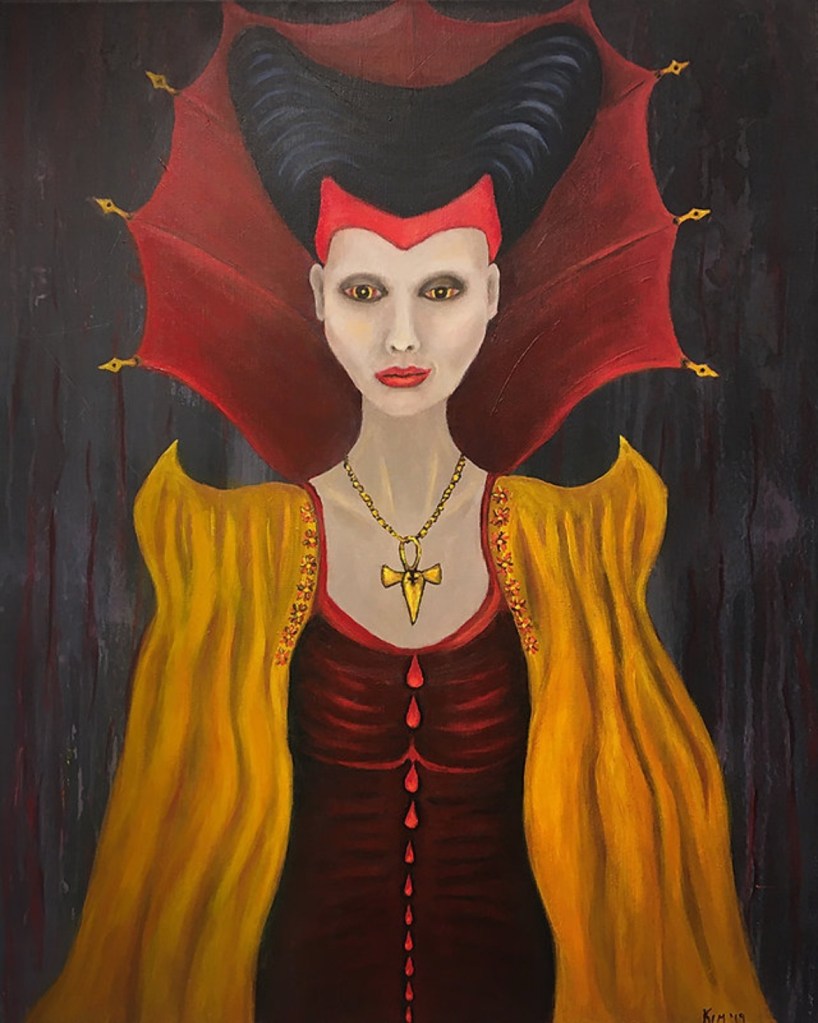
They said she believed that a young girl’s blood could preserve her beauty, that each scream was a secret ingredient in her twisted recipe for eternal youth. One by one, village girls disappeared into her fortress, their innocence feeding her vanity.
She even founded a school for young noblewomen — a finishing academy meant to teach manners, literacy, and refinement to girls of her class. It was her way, or so it seemed, of shaping the next generation of powerful women. But when they started disappearing, it became a problem.
By 1610, whispers had grown too loud to ignore. Investigators sent by King Matthias found her victims—broken, bloodless, and hidden behind stone walls.
Elizabeth was never executed; her noble blood made her untouchable. Instead, they sealed her in her own chamber at Čachtice Castle—no mirrors, no light, no escape. She died there in 1614, her beauty long gone, but her legend immortal.
Some say she was the first female serial killer. Others say she was a woman cursed by the very power that was supposed to protect her.
I say she was a warning—proof that vanity and vengeance can turn even a queen into a monster.
 The Potty Mouth Granny
Leave a comment