I’ve been obsessed with death since I was a little girl. Not in a gothic-novel way. Not in a let me scare you way. In a quiet, watchful way—like a child sitting on the edge of the bed, listening for the sound of the world ending.
My grandmother believed Jesus Christ was coming back in the year 2000. She believed it the way old women believe things: with certainty, scripture, and no room for negotiation. In my childish mind, that meant one thing—everyone was going to die. Not some people. Not metaphorically. Everyone. Calendar flips. Lights out.
My mother believed her mama too. That part still makes me smile. New Year’s Eve 1999, while the rest of the world worried about Y2K and malfunctioning computers, my mother got drunk as Cooter Brown because she knew—knew in her bones—that Jesus Christ was coming back for real. Not spiritually. Not symbolically. Physically. Sandals and all.
But I’m digressing.
The deaths of so many family members and friends didn’t just shape my understanding of mortality—it bent it. Death stopped being an event and became a constant companion, always nearby, always familiar. When something visits you that often, you don’t study it from afar. You survive it. And survival doesn’t leave much room for analysis.
Only later, with time and scar tissue, did I realize my perspective wasn’t wrong—it was skewed by proximity. I wasn’t detached enough to see patterns, rituals, power, and meaning. I was busy mourning. Busy living around absence. Sociology came after grief, not before. And maybe that’s the only way it ever could. But now I understand.
The sociology of death is where the cold fact of biology meets the warm, messy theater of human meaning.
Everybody dies. But how we die, who gets to die peacefully, who dies early, who is mourned, and who is forgotten—that’s social structure wearing a black veil. Death isn’t just an ending. It’s a mirror held up to a society’s values.
Biologically, death is simple. The heart stops. The brain goes dark. Curtain down. But socially? Death is layered. Ritualized. Managed. Interpreted. Profitable. Politicized. Romanticized. Sanitized. Hidden. Or, in some communities, tragically normalized.
Sociologists look at death through several lenses.
First, death as inequality made visible.
Life expectancy isn’t evenly distributed. Race, class, gender, neighborhood, employment, access to healthcare—all of it determines how long the candle burns. In Chicago, a child born in one zip code may live twenty years longer than a child born ten minutes away. Same city. Different universe. That isn’t fate. That’s policy and history.
Second, death as social disruption.
When someone dies, roles collapse. Families reorganize. Economies shift. Identities change. Widow. Orphan. Bereaved. Survivor. Death rearranges social networks like a stone dropped into water.
Third, death as cultural performance.
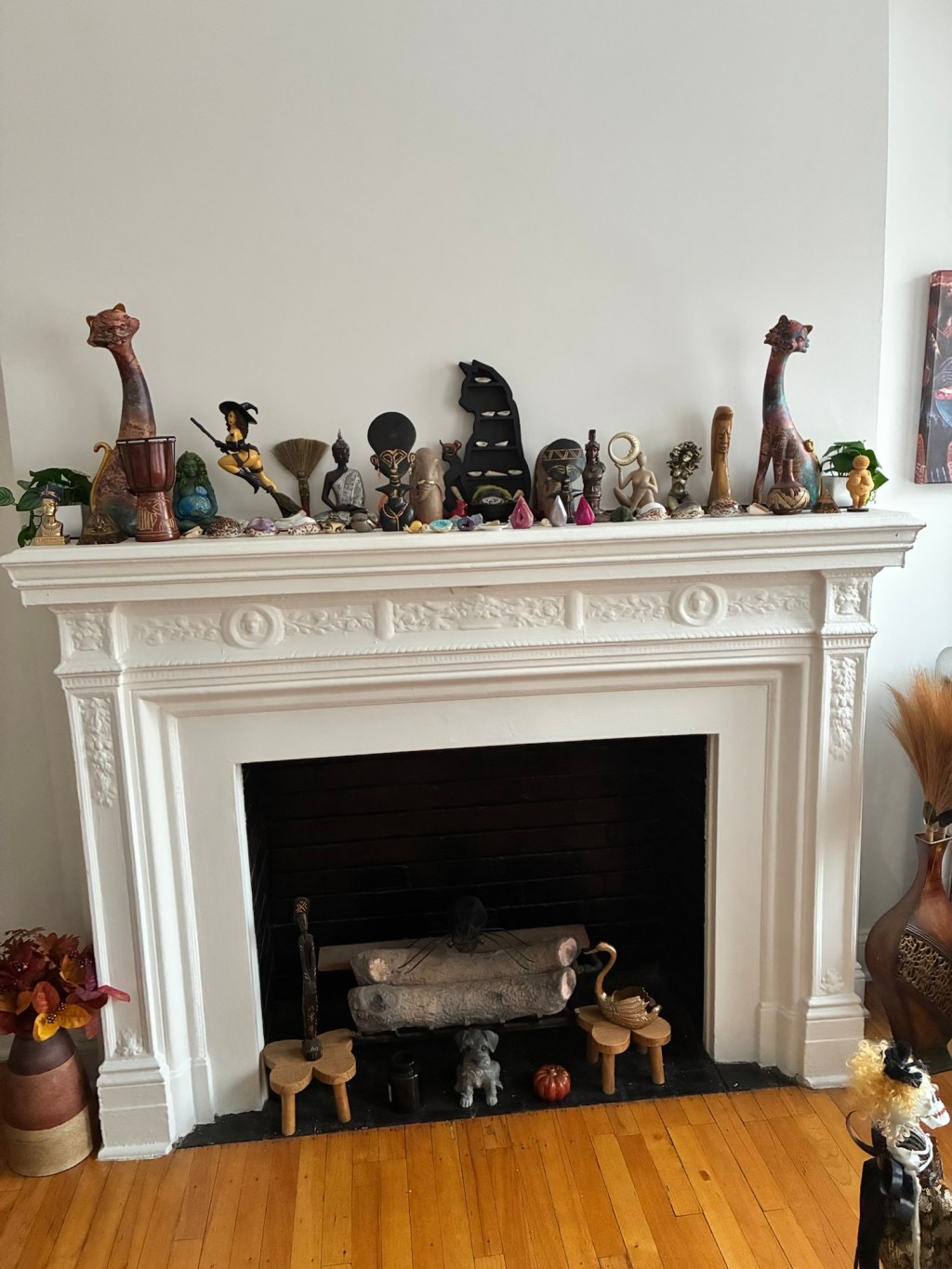
Funerals. Wakes. Homegoings. Ancestor altars. Obituaries. Black clothing. Candles. Songs. Food. Stories. Every society choreographs grief differently. Some cultures wail. Some whisper. Some dance. Some avoid speaking the dead’s name. All of it is society teaching us how to mourn.
Fourth, death as control.
Who is allowed to die with dignity? Who is denied care? Who dies in prisons? In childbirth? In war? From preventable disease? Systems of power decide which deaths are treated as tragedies and which are dismissed as statistics.
Fifth, death as meaning-making.
Humans are the only species that throws poetry at oblivion. We build heavens, myths, reincarnations, ancestral realms, legacies, afterlives. Even secular societies invent immortality through memory—names on buildings, scholarships, murals, hashtags, family stories.
Here’s the quiet truth:
How a society treats its dead tells you exactly how it treats its living.
A culture that hides death behind hospital curtains fears vulnerability.
A culture that honors ancestors values continuity.
A culture that allows certain groups to die younger without outrage has already decided whose lives matter less.
Once you begin studying death, you realize you aren’t studying endings at all. You’re studying power, love, inequality, memory—and the stories humans tell to keep from screaming into the void.
That’s the strange beauty of it. Death is universal. But the way we wrap it in meaning is one of the most human things we do.
 The Potty Mouth Granny
Leave a comment