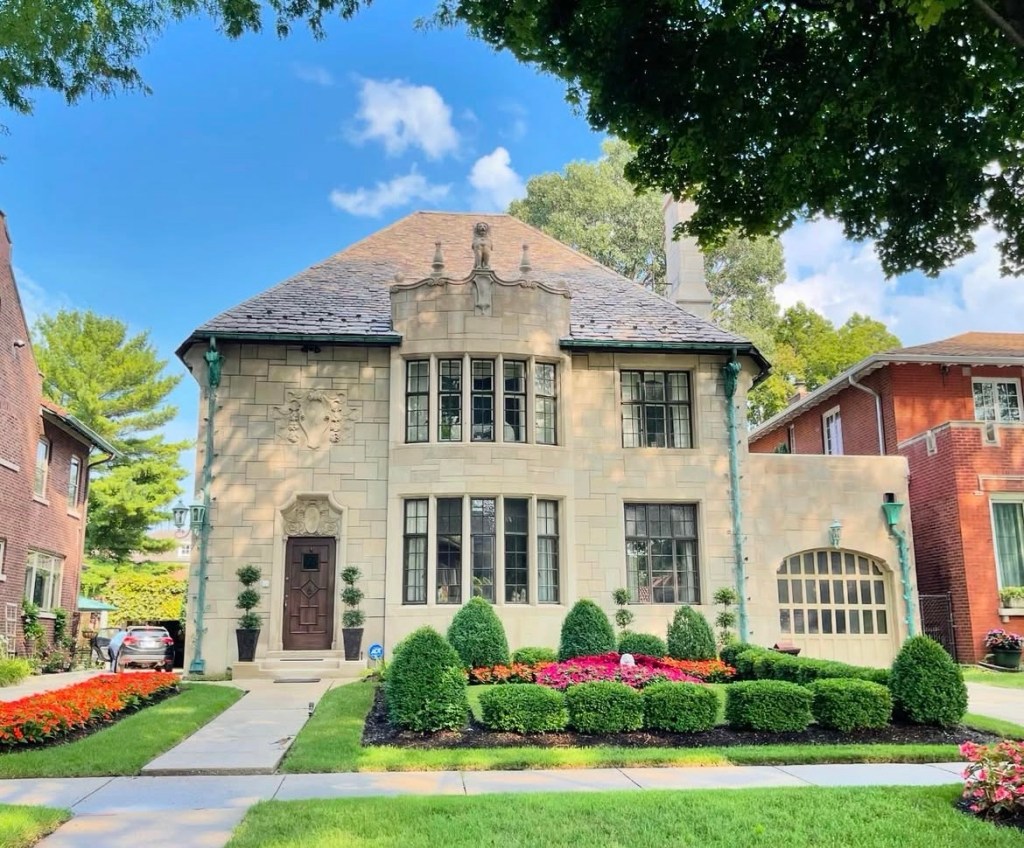
Tucked into the South Shore area like a well-kept secret with good manners, the Jackson Park Highlands District is one of those neighborhoods that makes you slow your car down. Not because you’re lost — because you’re looking.
Developed in the early 1900s, it was designed as an upper-middle-class enclave. Tree-lined streets. Curving boulevards. Large lots. No chaotic grid feeling. It was intentional. Planned. Aspirational.
And the houses? Baby. The houses.
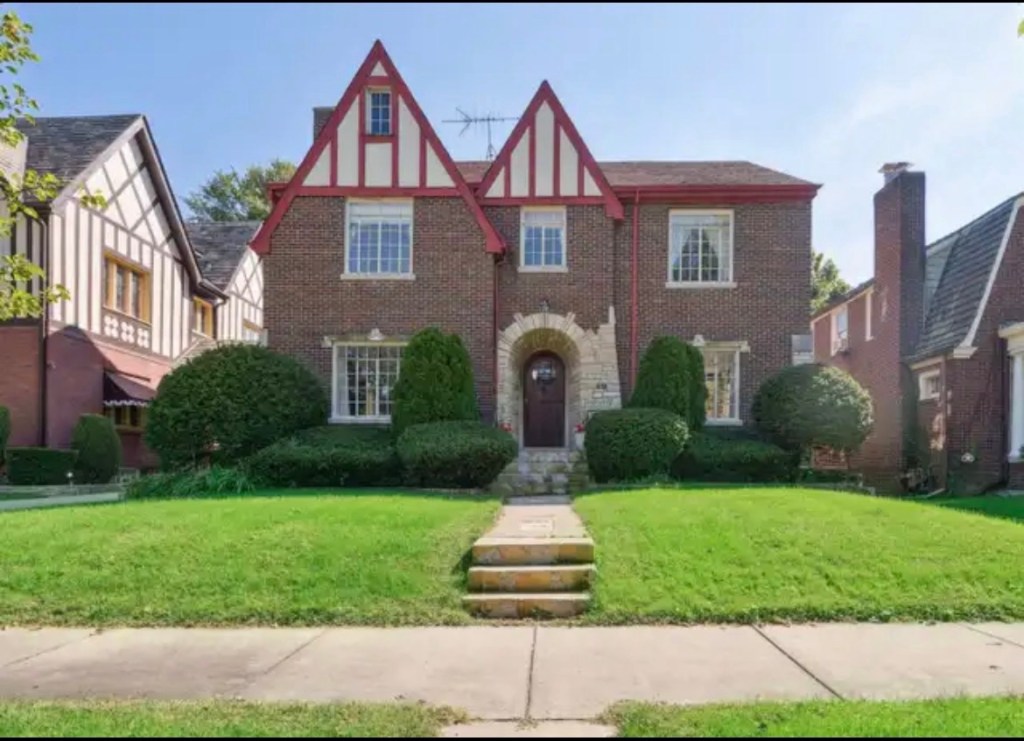
You’ll see:
– Tudor Revivals with steep gables that look like they were airlifted from a storybook.
– Mediterranean villas with red tile roofs and arched windows.
– Stately brick Colonials sitting back on manicured lawns like they know their worth.
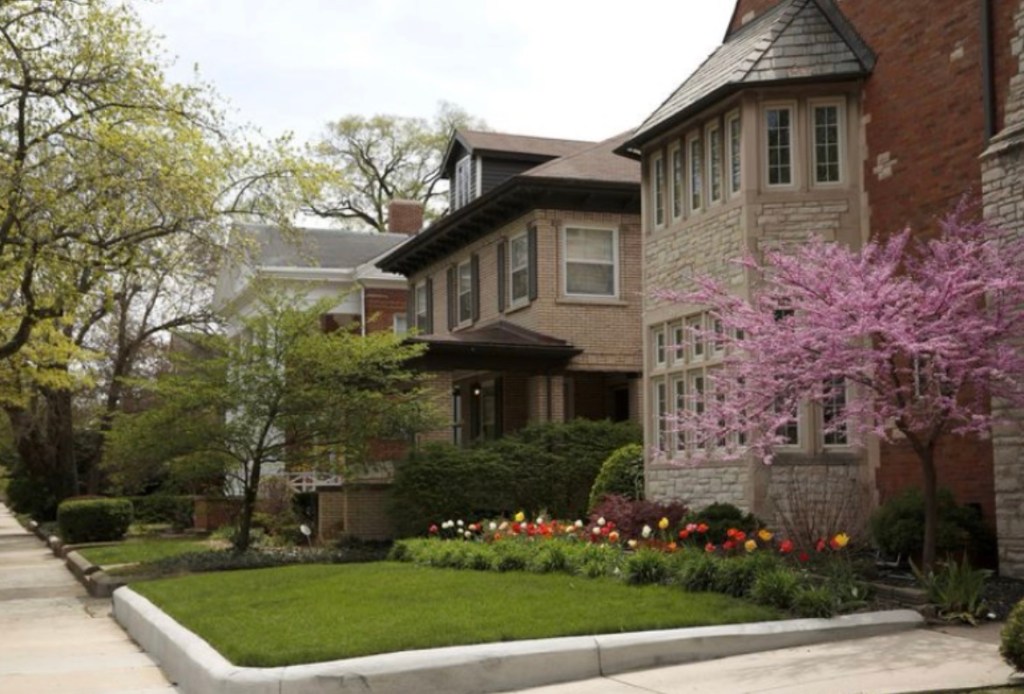
These aren’t flimsy houses. They’re thick-walled, limestone-trimmed, built-to-outlive-you houses. Built when craftsmanship meant something. Built when people assumed their homes would stand for generations.
And here’s the part folks outside Chicago rarely talk about: this is a historically Black neighborhood of affluence and pride. After restrictive covenants fell and white flight reshaped the city, Black professionals — doctors, lawyers, educators, entrepreneurs — bought these homes and maintained them with care. These houses hold layered stories. Migration. Aspiration. Stability carved out of a country that didn’t make it easy.
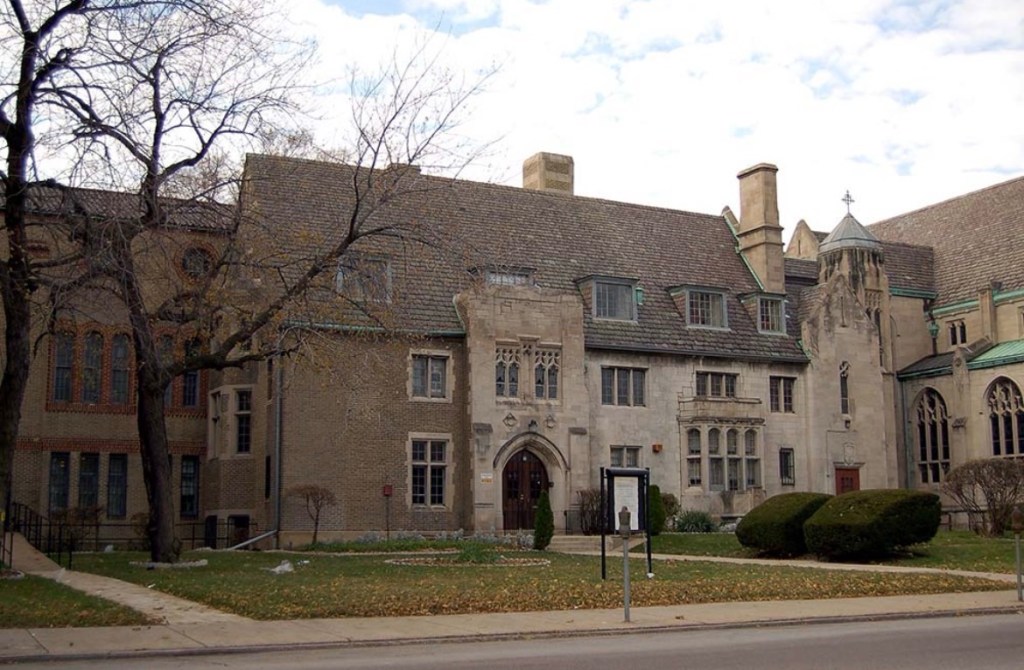
Jackson Park Highlands isn’t flashy. It doesn’t beg for attention. It just stands there, dignified.
Chicago’s South Side has architectural wealth that contradicts every lazy narrative ever written about it. The brick alone is a rebuttal.
And when you walk those streets, especially in late summer when the trees are heavy and the air hums — you can feel it. Not just money. Not just history.
Legacy.
 The Potty Mouth Granny
Leave a comment