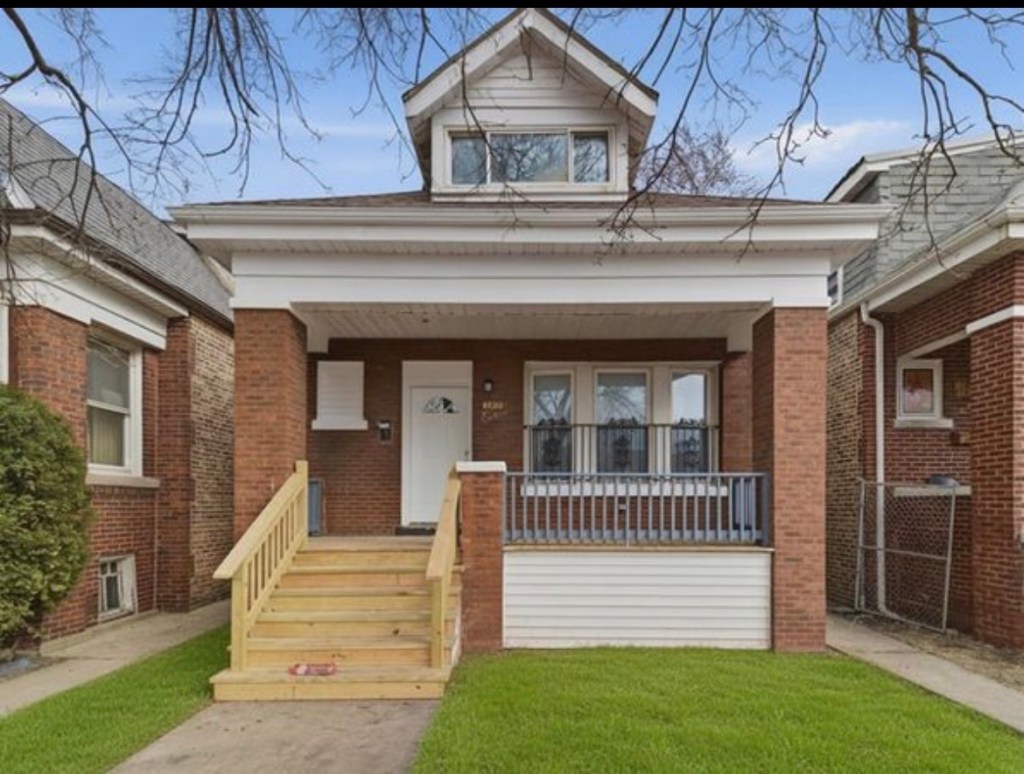
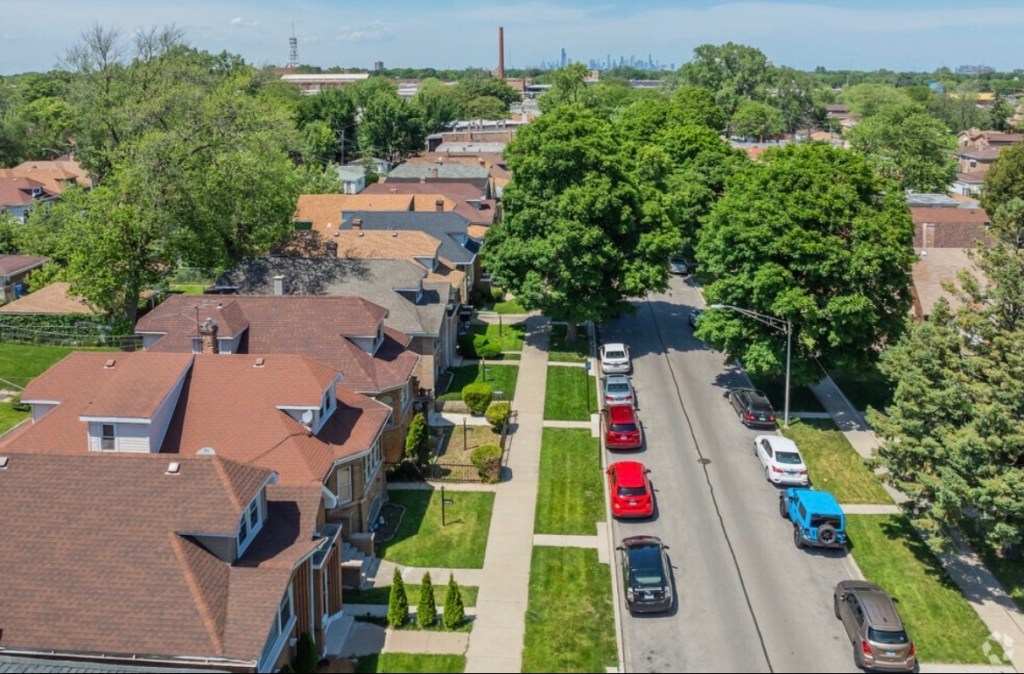
Chatham sits on Chicago’s South Side like a well-kept secret that refuses to beg for attention. It doesn’t shout. It doesn’t perform. It is. Tree-lined streets, sturdy brick bungalows, lawns edged like someone still believes in order and pride—that’s Chatham’s quiet language.
Where it is (and why that matters)
Chatham is roughly bounded by 75th Street to the north, 87th Street to the south, Cottage Grove to the east, and the Dan Ryan Expressway to the west. That location matters because it places Chatham right in the historical flow of Black migration within Chicago—close enough to major arteries, but tucked into its own rhythm.
A Black middle-class stronghold
By the mid-20th century, Chatham became one of the most prominent Black middle-class neighborhoods in America. This wasn’t accidental—it was built, brick by brick, by people who believed in ownership, stability, and legacy.
Doctors. Teachers. Postal workers. Entrepreneurs. Pullman porters. Folks who ironed their clothes the night before and expected their children to do better than they did.
This was a place where:
Homeownership wasn’t a dream—it was a requirement of dignity. Education wasn’t optional—it was survival strategy. Respectability politics and real achievement sometimes walked hand in hand, sometimes fought each other in the kitchen.
A history shaped by movement—and resistance
Before Black families moved in, Chatham was largely white and working- to middle-class. Like much of Chicago, it underwent racial transition in the 1950s–70s.
But here’s the twist: unlike some neighborhoods that were destabilized quickly, Chatham became known for intentional community control. Residents organized block clubs, enforced upkeep, and resisted decline with a kind of collective vigilance that bordered on sacred duty.
It was one of the rare places where the narrative wasn’t just “white flight happened”—it was: “We arrived, and we built something lasting.”
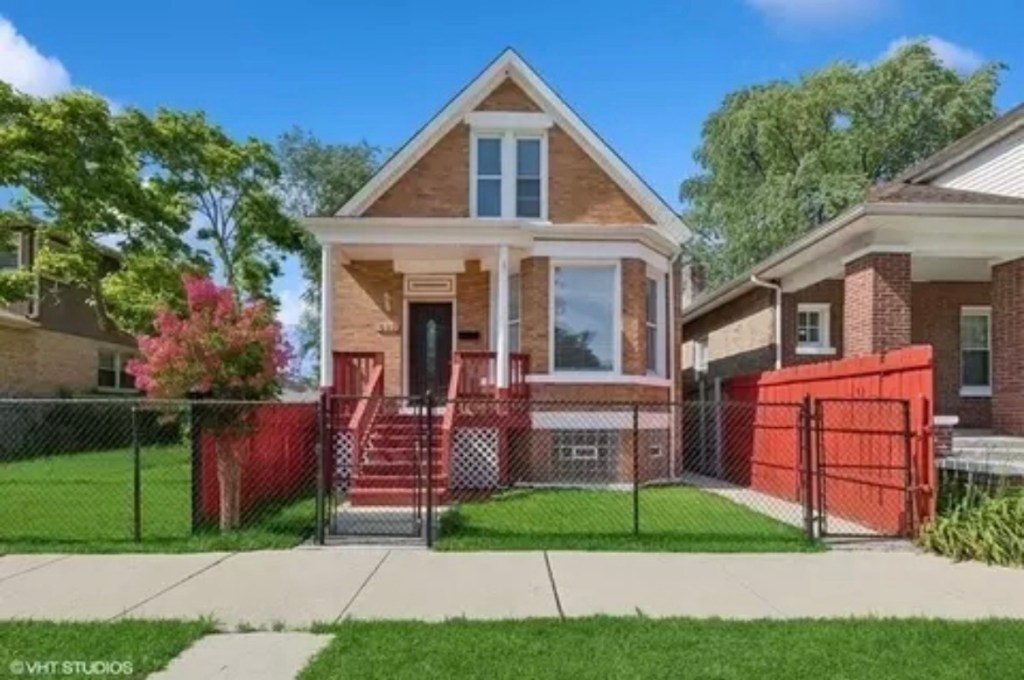
Chatham is a bungalow kingdom. Solid, modest, symmetrical homes.
These homes mattered because they were attainable. Not mansions, not slums—a middle ground where stability could grow roots.
And in a city where segregation was engineered like a science experiment, that middle ground was revolutionary.
Culture without spectacle
Chatham doesn’t market itself like Hyde Park or Bronzeville. It doesn’t need a rebrand every five minutes.
Its culture lives in:
Church hats on Sunday morning. Kids walking to school in uniforms. Generations living within a few blocks of each other. The quiet understanding that we take care of our own here.
The present day — complicated, like everything real.
Chatham today is still largely Black and still carries that legacy of homeownership and pride. But like many South Side neighborhoods, it faces:
Disinvestment. Population shifts. The long shadow of systemic inequality.
And yet… it endures.
Because neighborhoods like Chatham aren’t just places—they’re agreements across generations.
There’s a particular kind of beauty in Chatham. Not the kind that tourists photograph, but the kind that lives in memory, in routine, in the sound of a screen door closing on a summer evening.
It’s not trying to impress you.
It’s trying to outlast everything that tried to erase it.
And in that, it succeeds.
 The Potty Mouth Granny
Leave a comment