Let me tell you something plain—Black feminist theory didn’t come out of a classroom.
It came out of kitchens with cracked linoleum floors.
Out of bus stops in the cold.
Out of women raising babies with one hand and holding themselves together with the other.
It came from us.
Before anybody gave it a name, we were already living it.
The Truth Before the Theory
When Sojourner Truth stood up and asked, “Ain’t I a Woman?” she wasn’t trying to impress nobody. She was calling out a lie. A lie that said womanhood looked one way—soft, protected, pedestal-ready—and it damn sure didn’t look like her.
But she stood there anyway.
And every Black woman since has been answering that question in her own way:
Yes. I am. And you don’t get to define me.
When We Learned to Name the Thing
Fast forward, and here comes a group of Black women—tired, brilliant, fed up—known as the Combahee River Collective.
They said something powerful, something folks are still chewing on today:
If Black women were free, everybody would have to be free.
Why?
Because we sit at the crossroads—race, gender, class, sometimes sexuality too.
We don’t get to separate those pieces. We carry them all, all the time.
That ain’t theory. That’s Tuesday morning.
The Women Who Told It Straight
Let’s talk about the ones who put language to what we already knew.
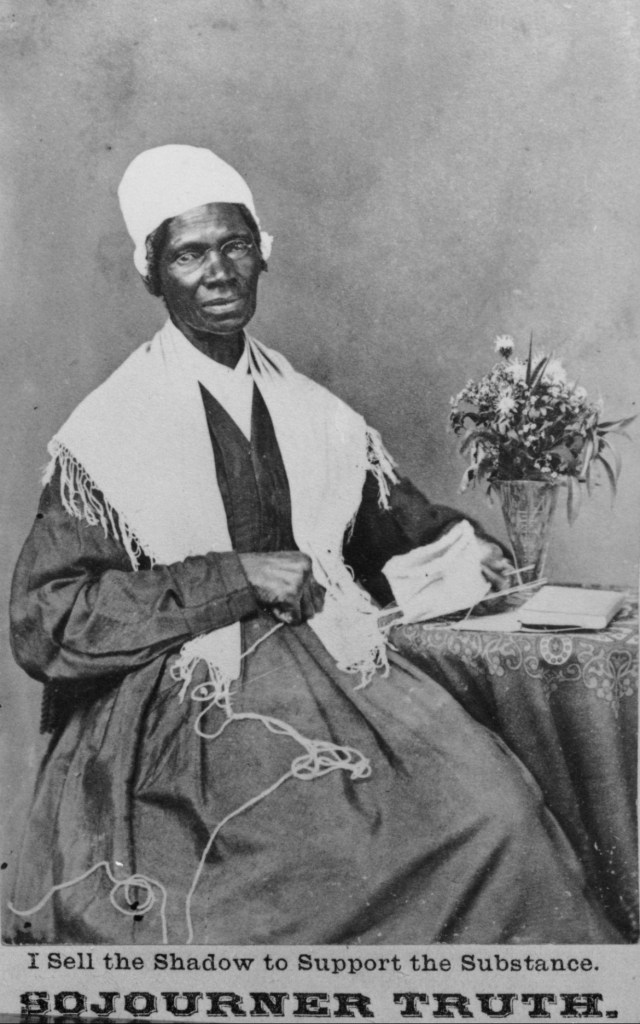
Sojourner Truth called out racism and sexism at the same time—before folks even had language for that. She basically said: You can’t talk about women and leave Black women out. Period.
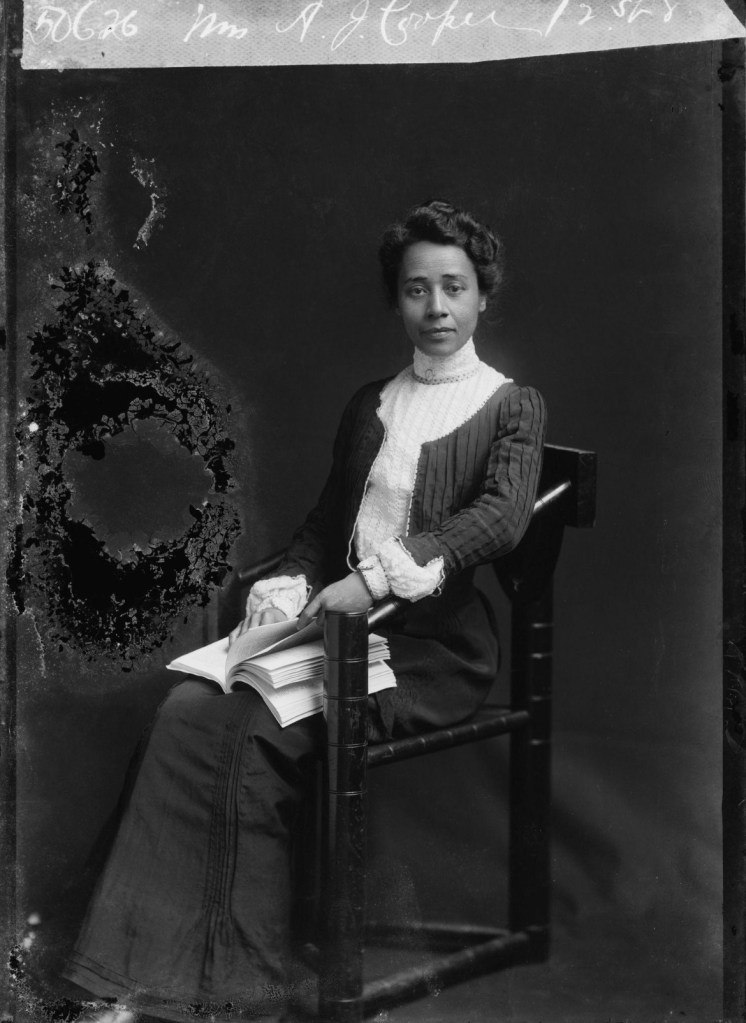
Anna Julia Cooper wrote A Voice from the South back in (1892) and argued that Black women’s progress equaled the progress of the entire race.
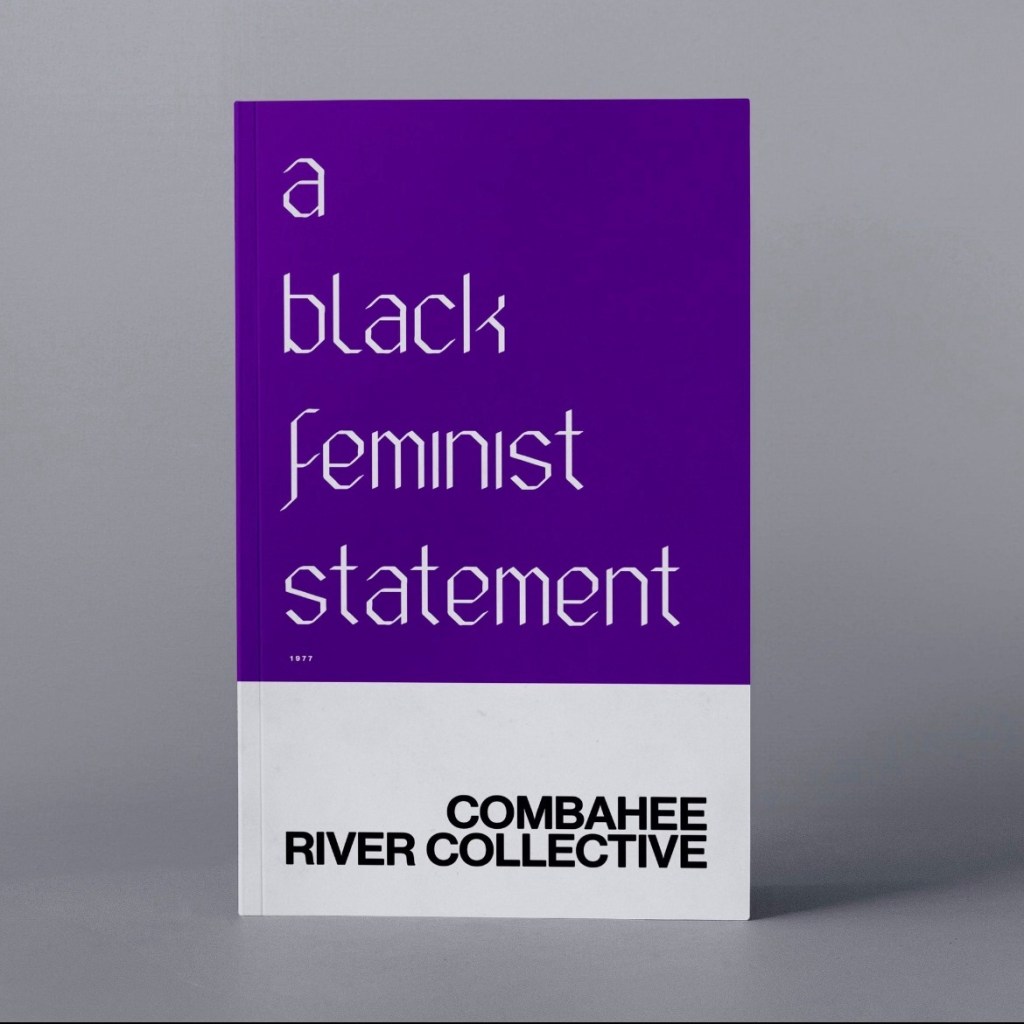
Combahee River Collective were a group of Black women who introduced the idea that oppression is interlocking (race, gender, class, sexuality). Said that if Black women were free, everybody else would have to be free too.
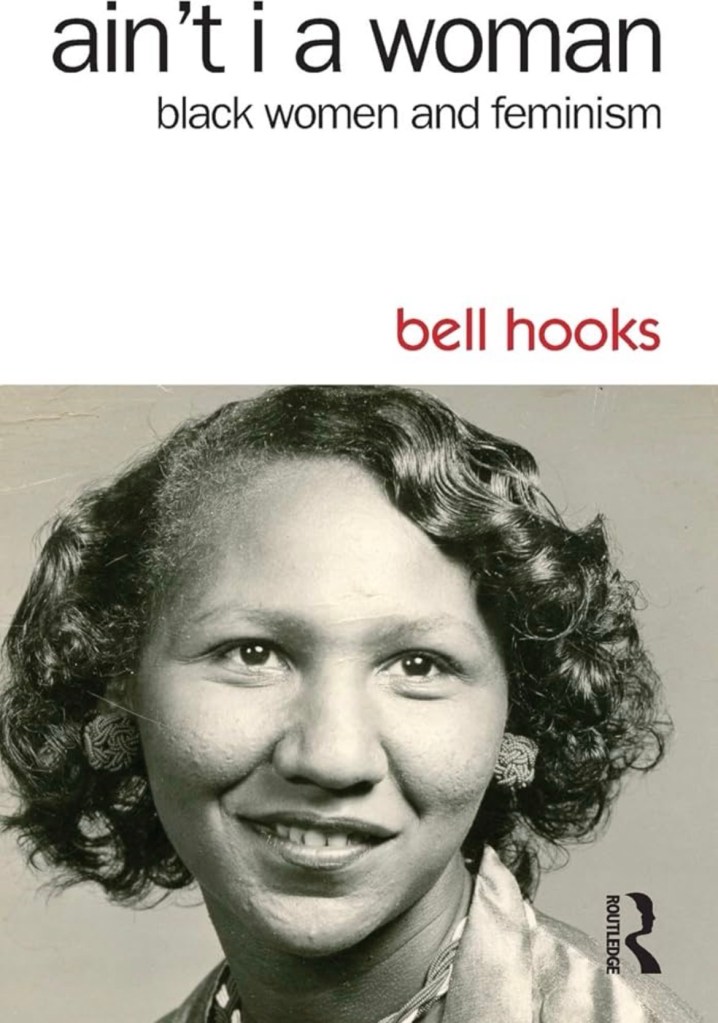
bell hooks told us that feminism ain’t about hating men—it’s about ending domination. Period. She said love can’t live where control lives. Now sit with that.
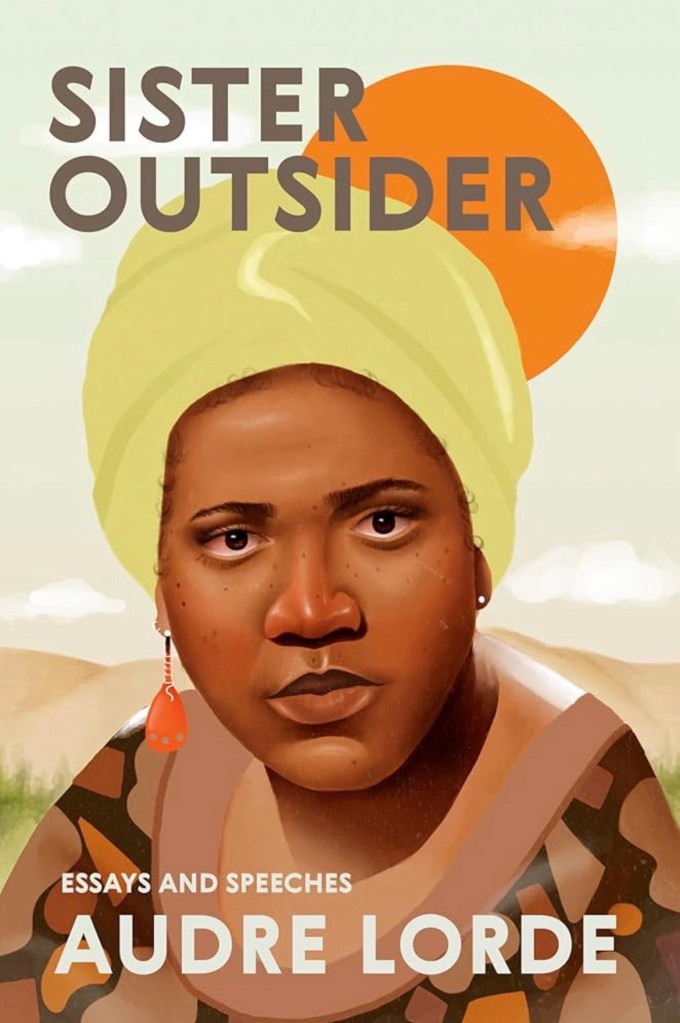
Audre Lorde reminded us that our differences are not weaknesses. They are power. She walked in every room as her full self—Black, woman, lesbian—and dared the world to deal with it.
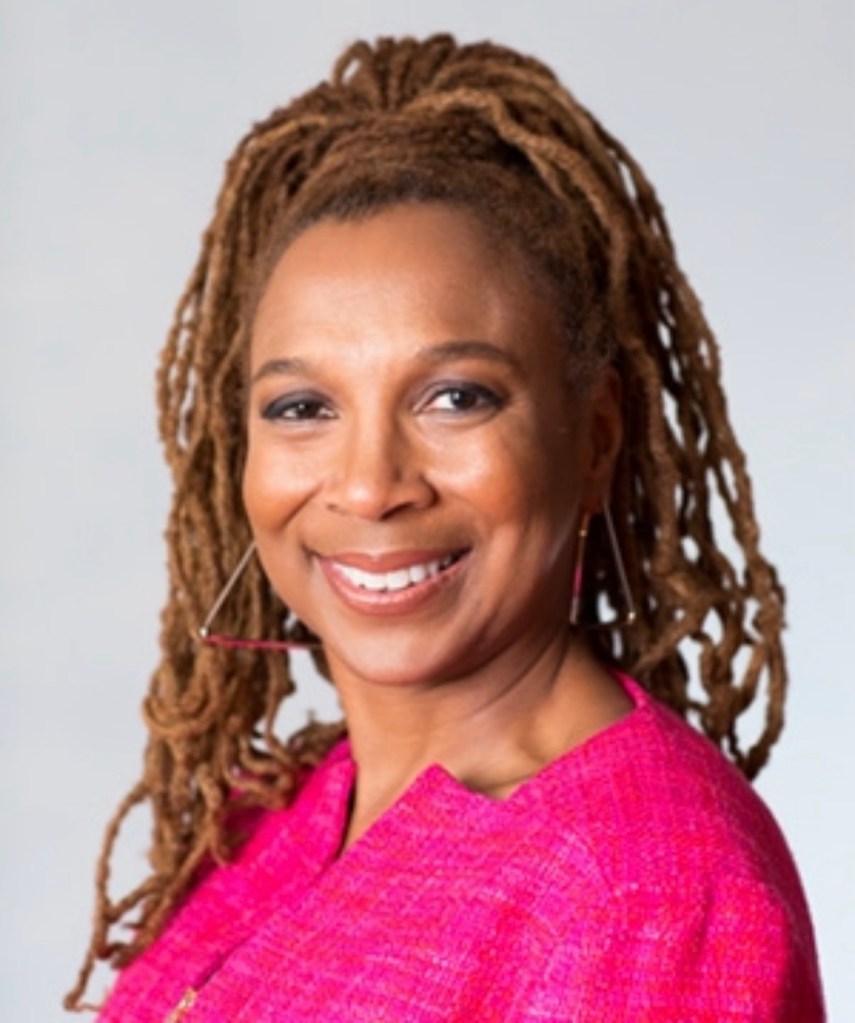
Kimberlé Crenshaw coined a term that has been seared into the vocabulary of the humanities: intersectionality. She explained how Black women experience overlapping systems of oppression—not just racism + sexism separately, but together.
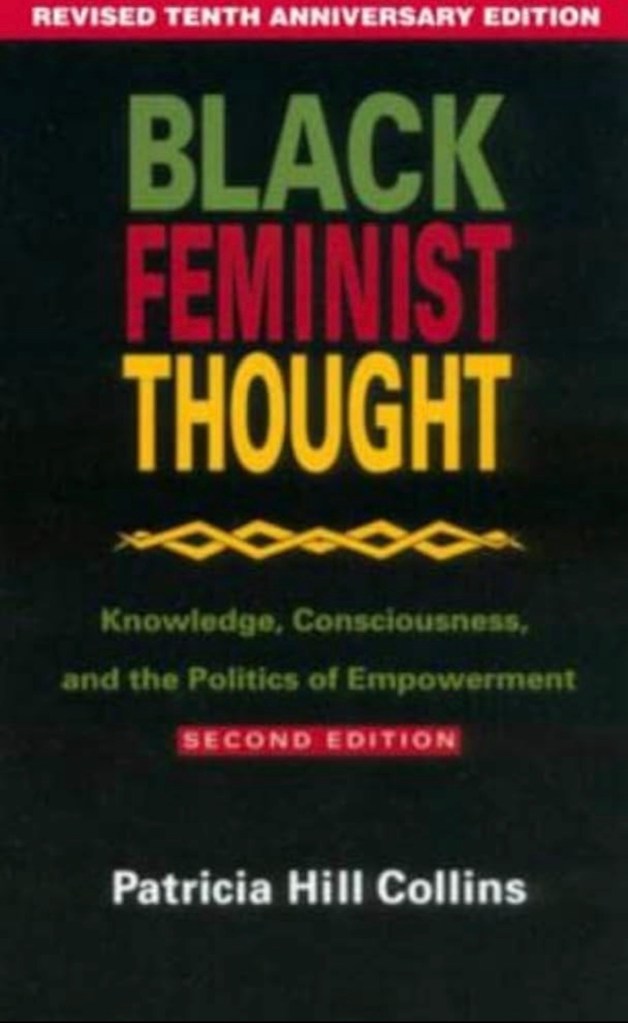
And then there’s Patricia Hill Collins, who broke it down like this: the world is built on a matrix of domination. Meaning the system ain’t just one thing—it’s layers, stacked on top of each other, pressing down in different ways depending on who you are.
Tell me that don’t sound familiar.
We Were the Blueprint All Along
Here’s the part folks don’t always say out loud:
Black women have always been theorists.
We just didn’t always get credit for it.
Every time a grandmother said,
“Baby, you gotta be twice as good,”
that was analysis.
Every time a mother said,
“Don’t let this world make you small,”
that was philosophy.
Every time you looked at your life and said,
“Something about this ain’t right,” that was theory knocking on your door.
What It Means Right Now
Black feminist thought is not some dusty idea sitting on a shelf.
It’s alive.
It shows up when:
You refuse to shrink yourself to make others comfortable
You question systems that were never built with you in mind
You choose rest in a world that profits off your exhaustion
You love yourself in a way that breaks generational curses
It’s in your boundaries.
It’s in your voice.
It’s in your refusal.
Final Word (and I mean this)
Black feminist theory is not anti-Black.
It is not anti-man.
It is anti-bullshit.
It is the language we use when we decide we are no longer going to carry the weight of everybody else’s expectations while disappearing in the process.
It is a mirror.
It is a map.
It is a matchstick.
And once you see it—really see it—you can’t unsee it.
So the question ain’t whether Black feminist theory matters.
The real question is:
What are you going to do with the truth once it finds you?
 The Potty Mouth Granny
Leave a comment