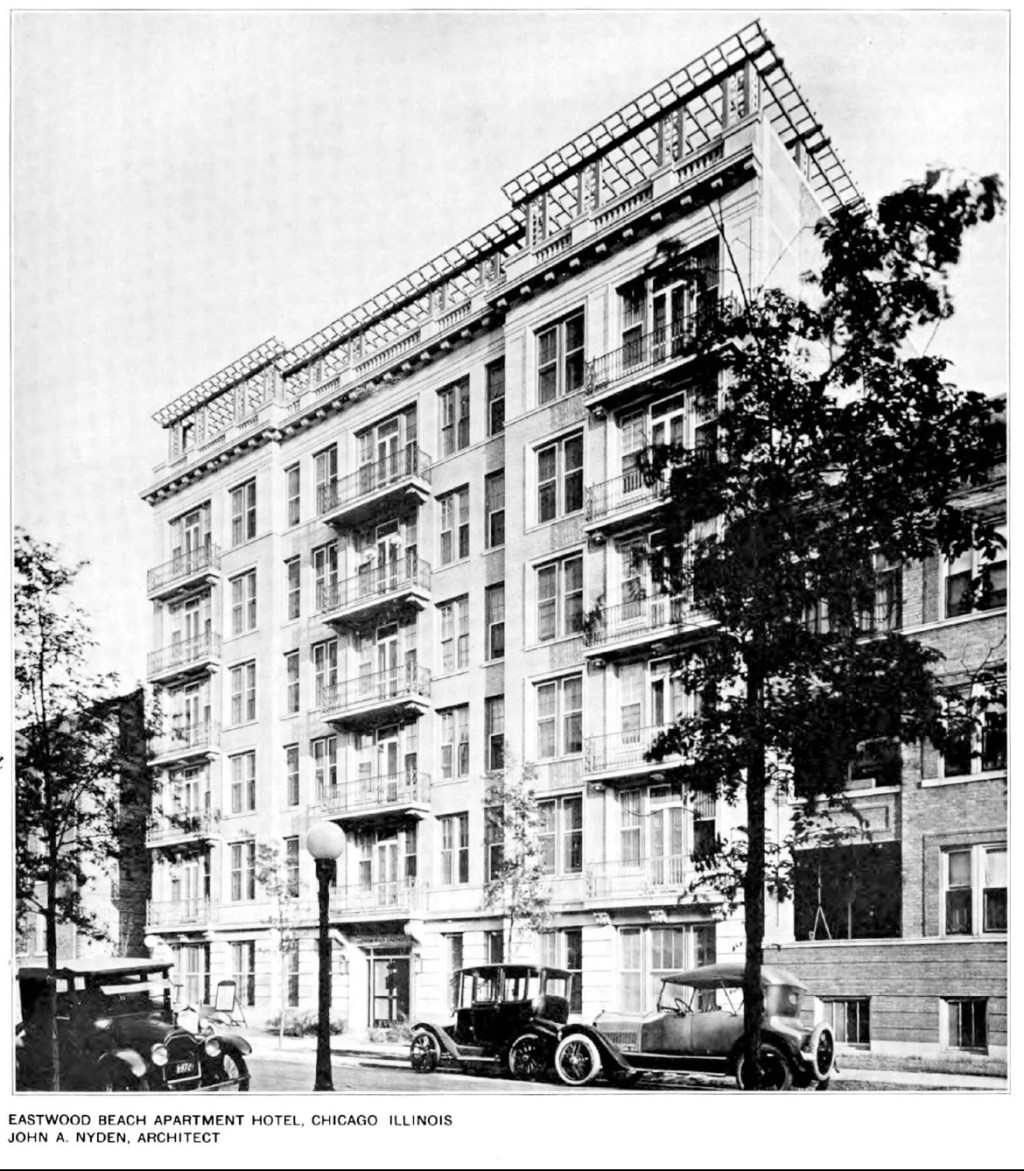
There are neighborhoods in Chicago that introduce themselves loudly—glass towers, bottomless mimosas, and a need to be seen.
And then there’s South Shore.
South Shore doesn’t perform.
She doesn’t beg for attention.
She just stands there—steady, seasoned, and sure of herself.
And if you’re quiet long enough, she will tell you everything.
The Lake Is the First Language
Before anything else, there is the water.
Not just as a backdrop, not just something pretty for pictures—but as a presence. A force. A witness.
At Rainbow Beach, the lake stretches out like it’s holding memories it refuses to give up. Children still run along the sand. Elders sit facing the horizon like they’re in conversation with something deeper than words.
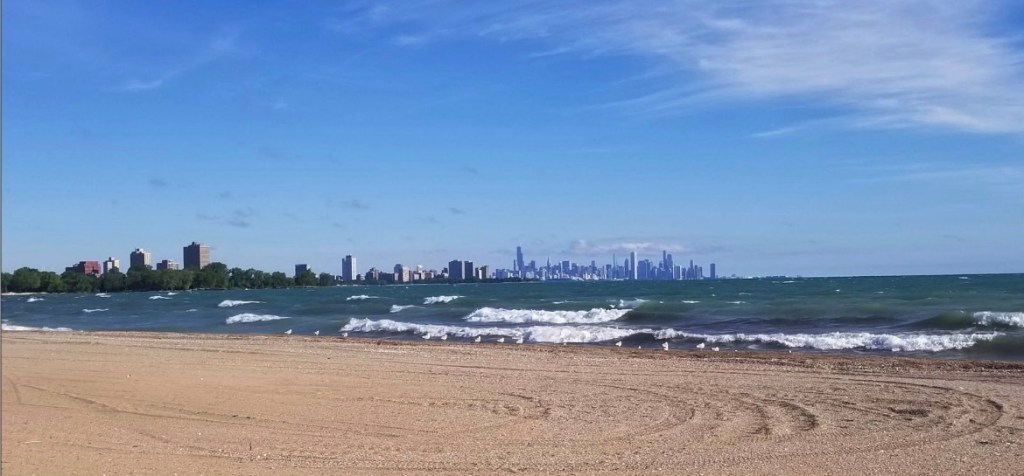
Just so you know what you’re stepping into—this isn’t just a strip of sand.
Rainbow Beach stretches along Lake Michigan between 75th and 78th Street and has been part of the city since the early 1900s.
That water has seen Chicago at her best and her worst.
And still—it stays.
Architecture That Carries Memory
South Shore is one of those places where the buildings don’t just exist—they remember.
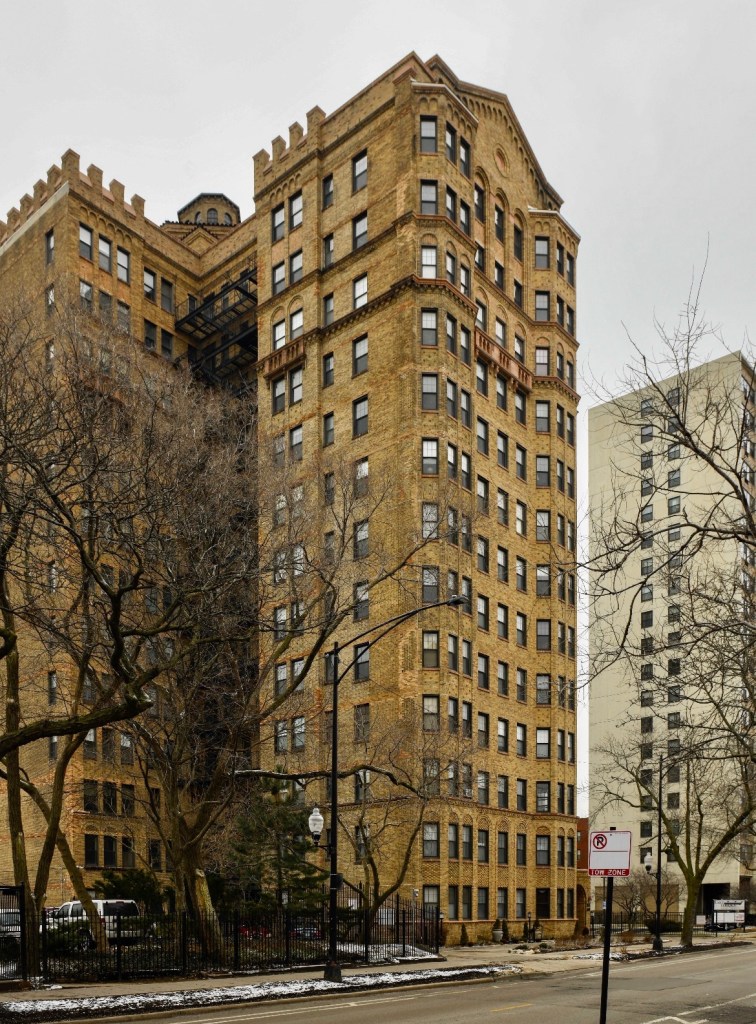
The South Shore Cultural Center stands like a woman who has lived many lives. Once a private country club that excluded Black Chicagoans, it now holds weddings, community events, laughter, and legacy.
That right there? That’s history flipping itself over.
And then there’s Jackson Park Highlands.
Listen—those homes are not playing with you.
They are grand without asking permission. Detailed without apology. Built in a time when craftsmanship mattered and permanence was the goal.
These aren’t just houses.
They are declarations.
And yet, they sit outside the usual conversations about Chicago “prestige.”
Funny how that works.
The Quiet Strength of Black Middle-Class Life
South Shore has long been a cornerstone of Black middle-class Chicago.
This is where stability lived.
Teachers. City workers. Postal employees. Folks who built lives brick by brick, paycheck by paycheck, making sure their children had more than they did.
This is the land of:
Block clubs that actually knew their neighbors.
Church hats that deserved their own spotlight.
Living rooms nobody was allowed to sit in unless company came over.
There is a dignity here that doesn’t need validation.
A pride that doesn’t ask to be seen—but deserves to be.
Disinvestment, Reality, and the Fight to Stay
Let’s tell the truth and not dress it up.
South Shore has been hit. Hard.
You see it in the empty spaces where businesses used to be.
In buildings that deserved better than what they got.
In the slow neglect that too often visits Black neighborhoods.
But here’s what you also see—
People who stayed.
People who maintained what they could, protected what mattered, and refused to let their neighborhood disappear.
Now, with the nearby Obama Presidential Center rising, there’s talk of change. Development. Investment. Opportunity.
And also—concern.
Because in Chicago, when change comes to a Black neighborhood, it often comes with a question attached:
Who gets to stay?
South Shore Doesn’t Chase—It Endures
South Shore isn’t trendy.
It’s not trying to be the next anything.
It simply exists in its truth.
And if you walk it—really walk it—you’ll notice:
The way the lake glows just before sunset
The care in a freshly swept porch
The quiet nods between neighbors who’ve been there for decades
The sense that you’re standing in a place that has survived more than it should have had to
South Shore doesn’t sparkle.
It doesn’t need to.
It glows—low, steady, and undeniable.
Closing Reflection
If you want to understand Chicago beyond the headlines, beyond the stereotypes, beyond the easy narratives:
Come to South Shore.
Stand by the lake.
Look at the buildings.
Pay attention to the people.
Because this neighborhood is not just a place on a map.
It is a living archive.
A story still being written.
A reminder that beauty doesn’t always announce itself.
Sometimes it just waits for you to notice.
 The Potty Mouth Granny
Leave a comment