When my eldest brother died nearly six years ago, a simple cartoon helped carry me through the first raw, disorienting days of grief.
My brother didn’t have any life insurance, so it fell to me to lay him to rest—and I had no money. I managed to scrape together $1,000 toward a cremation, but I was still another $1,000 short. So night after night, I sat up late, drinking tequila, crying, and worrying, carrying grief and fear in equal measure.
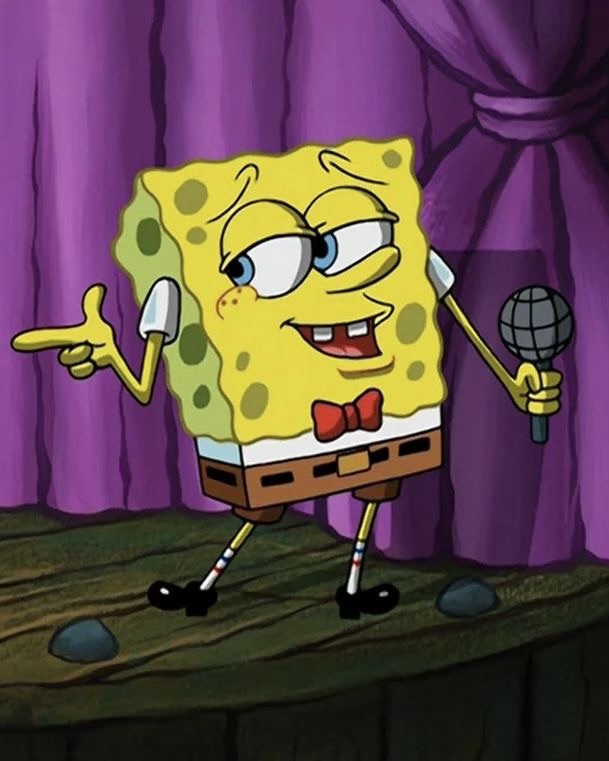
I flipped through channels without thinking, half-listening to the noise, until SpongeBob SquarePants’s voice floated through the room and caught me where I was.
Suddenly, I was crying tears of laughter instead of tears of grief. The ache didn’t disappear, but it loosened its grip. I found myself psychoanalyzing the citizens of Bikini Bottom, like they were tiny, animated case studies in survival.
SpongeBob SquarePants is the ultimate optimist—earnest, absurd, relentlessly hopeful. He was proof that optimism can be an act of defiance, even when the world is ridiculous and cruel.
Squidward Tentacles carried the exhaustion of unrealized dreams, the artist trapped in a customer-service hellscape, bitter but still showing up.
Patrick Star was pure unadulterated ignorance, unburdened by logic, floating through life dumb as a box of hair happily, just looking for a meal.
Mr. Krabs was the ultimate cheap bastard, shaped by fear of loss, clutching money like it was oxygen.
Sandy Cheeks was resilience and self-invention, building her own atmosphere when the environment wasn’t made for her.
Somewhere between the nonsense and the neon jellyfish, my nervous system unclenched. Grief didn’t vanish—it just stepped aside for a moment and let laughter breathe. And in that strange, underwater world, I remembered that being alive, even brokenhearted, still meant I was alive.


Leave a Reply