There are cities within cities.
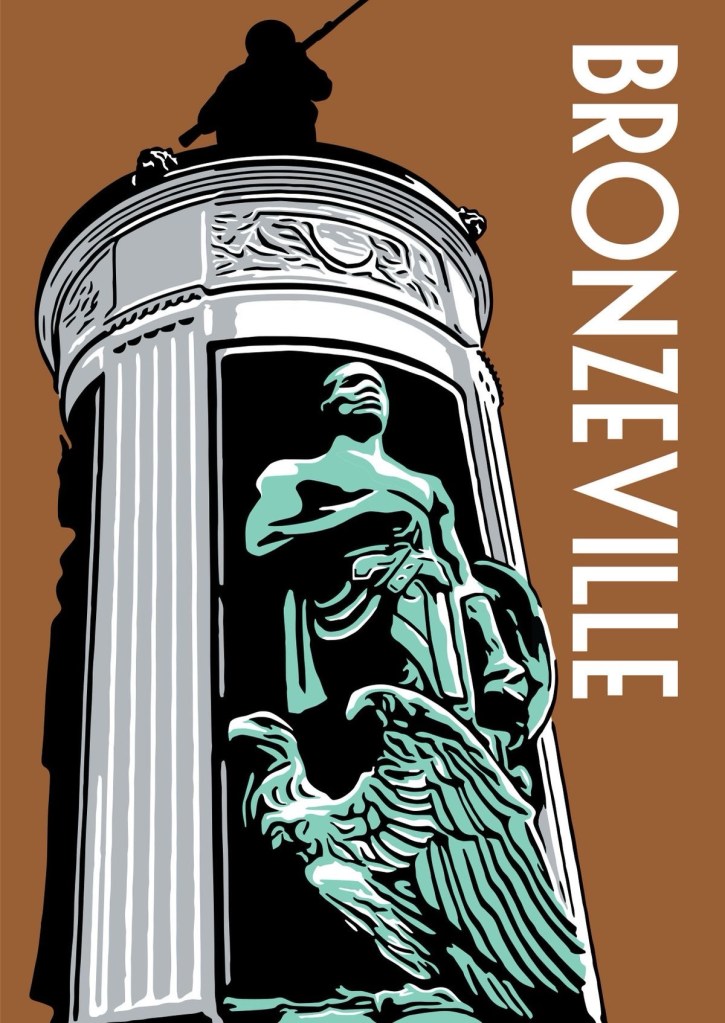
And then there’s Bronzeville—
not just a neighborhood, but a testimony.
To understand Bronzeville, you have to walk backward through time, into the long shadow of the Great Migration—that massive, sacred movement of Black folks who packed up their lives in the South and headed north with nothing but grit, grief, and a suitcase full of possibility.
Between roughly 1916 and 1970, millions left behind cotton fields, chain gangs, lynching trees, and laws designed to suffocate them. They came north chasing something simple and radical: a chance to live.
Chicago was calling.
And Bronzeville answered.
The Promised Land…With Conditions
Now let’s be clear—this wasn’t no wide-open welcome.
When Black migrants arrived in Chicago, they weren’t given the keys to the whole city. They were confined—legally, violently, systematically—to a narrow strip of land on the South Side known as the “Black Belt.” That strip became Bronzeville.
Housing discrimination was the name of the game. Redlining boxed people in. Landlords chopped up once-grand homes into cramped “kitchenette” apartments where whole families tried to make a life out of a single room.
But here’s the thing about Black folks:
you can restrict the body, but the spirit?
Baby, that thing will find a way to stretch.
A Cultural Explosion in Tight Spaces
Out of that pressure came brilliance.
Bronzeville became the heartbeat of Black Chicago—a place where art, music, literature, and politics didn’t just survive, they thrived.
The Chicago Defender wasn’t just a newspaper—it was a lifeline. It told Southern Black folks where to go, how to travel safely, and what kind of life might be waiting on the other side of that train ride north.
The neighborhood pulsed with jazz and blues. Legends like Louis Armstrong and Duke Ellington lit up stages. The Regal Theater stood like a crown jewel, hosting performers who carried Black culture on their backs and made it shine.
And it wasn’t just music.
Writers. Thinkers. Activists. Dreamers.
Bronzeville was part of what folks now call the Chicago Black Renaissance—a creative explosion that said, We are here. We are brilliant. And we are not going anywhere.
Beauty and Burden, Side by Side
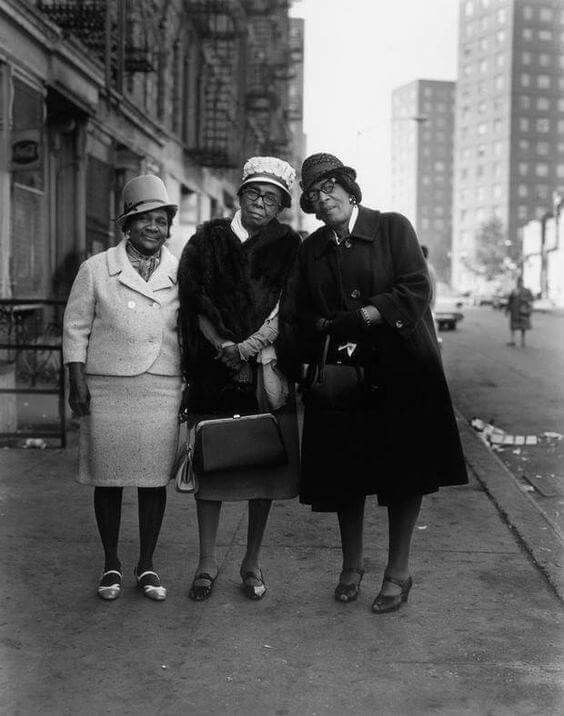
But don’t get it twisted—Bronzeville carried weight.
Overcrowding. Poverty. Systemic neglect.
The city profited from Black labor but refused to invest in Black life.
Still, people built community anyway.
Churches became anchors. Businesses lined the streets. Families raised children who would go on to shape politics, culture, and history itself.
Because even when the world tries to write you into the margins, there’s power in picking up your own pen.
Then Came the Dan Ryan: Progress With a Price
When the Dan Ryan Expressway was built in the 1950s and early ’60s, it didn’t just “pass through” Bronzeville.
It sliced it. Clean in half.
This wasn’t accidental. City planners at the time—very much in the spirit of urban renewal—often routed highways through Black neighborhoods because they had the least political power to fight back.
So what did that mean on the ground?
The expressway created a literal wall.
Streets that once flowed into each other were dead-ended. Neighbors who used to walk to each other’s homes now had a roaring river of traffic between them.
Bronzeville lost its natural rhythm—its walkability, its cohesion, its feel.
Displacement: Thousands Pushed Out
Homes, businesses, churches—gone.
To build that stretch of highway, thousands of residents were forced out. And let’s be clear: they weren’t given great options.
Many were pushed into already overcrowded housing or into public housing developments that were themselves part of a larger, flawed system of segregation.
Bronzeville’s economy depended on density—people living close, shopping local, circulating dollars within the community.
The expressway disrupted that flow.
Businesses lost foot traffic. Customers disappeared. Investment dried up.
It’s hard to keep a neighborhood alive when you’ve cut its arteries.
Legacy: Still Breathing, Still Becoming
Today, Bronzeville is still standing—changed, yes, but not erased.
Walk those streets and you’ll feel it. The echoes. The footsteps. The prayers whispered by folks who came here with nothing but hope stitched into their bones.
Bronzeville isn’t just history.
It’s inheritance.
It’s what happens when people take pain and turn it into poetry.
When survival becomes culture.
When a neighborhood becomes a nation within a city.
And if you listen closely—
past the traffic, past the time—
you can still hear it breathing.
 The Potty Mouth Granny
Leave a comment