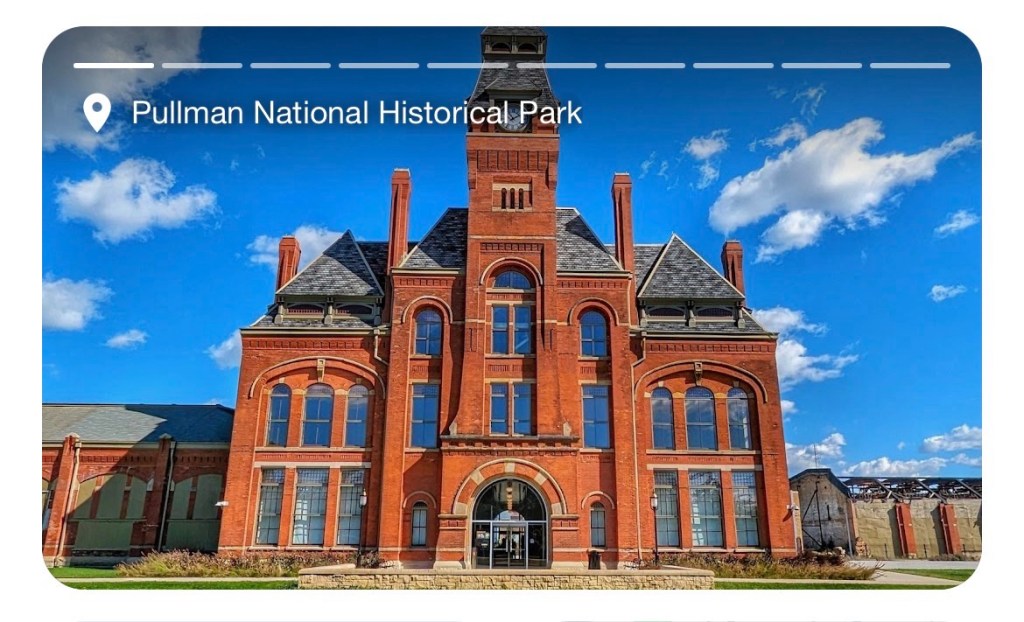
There’s something eerie and beautiful about Pullman.
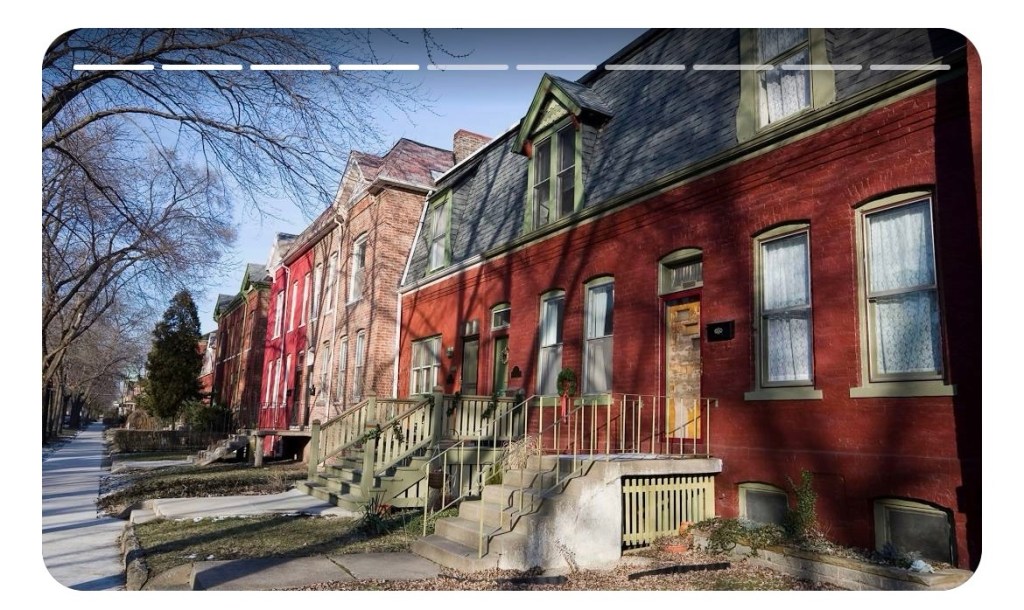
You can feel it the minute you step into the neighborhood. The streets slow down. The brick row houses stand there like old witnesses with their backs straight, refusing to bow to time. It feels almost too orderly for Chicago. Too quiet. Too preserved. Like history itself is holding its breath.
And honestly? That’s because Pullman was never meant to be a regular neighborhood.
It was a social experiment.
Back in the 1880s, industrialist George Pullman built this community for the workers who made his luxury railroad sleeping cars. But this wasn’t just about housing workers. Oh no. This man built an entire company town from scratch. Homes. Churches. Schools. Parks. Shopping areas. Factories. Everything wrapped up in one neat little package like some Victorian-age SimCity.
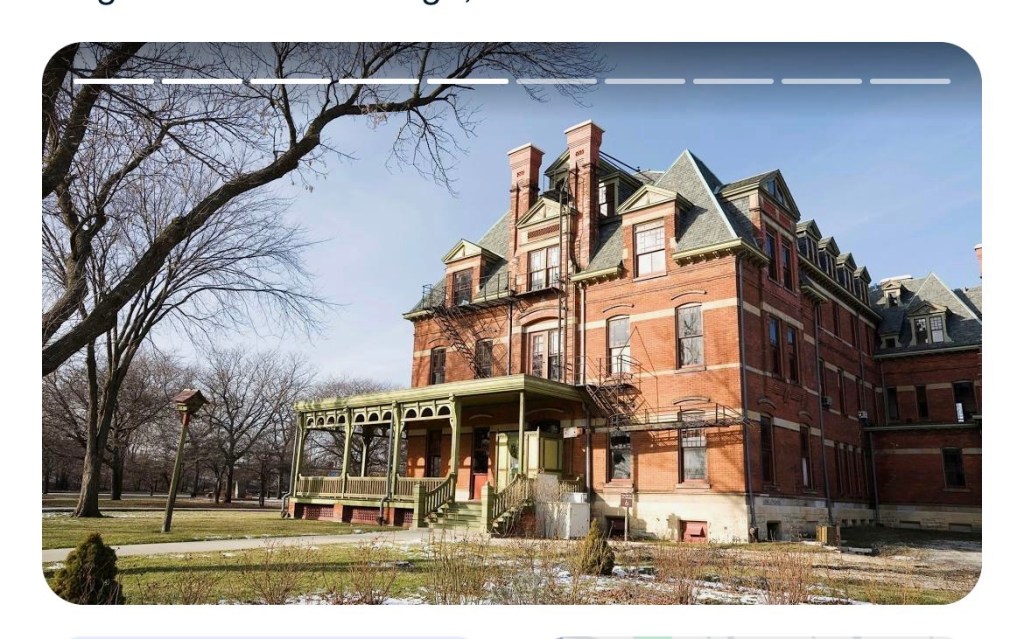
On paper, it probably looked magnificent. Clean streets. Modern plumbing. Beautiful architecture. A vision of working-class dignity.
But underneath all that brick and polish was control.
That’s the thing about some utopias. They only work if one man gets to play God.
Workers rented homes from the company. The company monitored behavior. The company controlled the environment. And when wages were cut during the economic depression of the 1890s, the rent somehow stayed the damn same. Imagine struggling to feed your family while still being expected to smile politely in the “perfect” town your boss created.
That tension eventually exploded into the famous Pullman Strike of 1894, one of the most important labor uprisings in American history. Railroad traffic across the country was disrupted. Federal troops got involved. People died. And suddenly the pretty little model town became a symbol of something much darker: the dangers of unchecked corporate power wrapped in the language of “community.”
That’s America in a nutshell sometimes. Build something gorgeous while quietly crushing people underneath it.
But here’s the fascinating part: Pullman survived.
And not just survived — it endured.
One of the most important transformations in Pullman came during the Great Migration, when Black families began moving into Chicago in massive numbers between roughly 1915 and 1970. Thousands of Black Southerners came north searching for work, opportunity, and relief from the daily violence and humiliation of Jim Crow.
And Pullman was deeply connected to that story.
By the 1910s and 1920s, Black workers were already tied to the Pullman Company as porters, cooks, maids, and railroad workers. The company became one of the largest employers of Black men in America. Those Pullman porters traveled across the country carrying luggage, serving passengers, and quietly carrying information too. Many of them distributed copies of the Chicago Defender throughout the South, helping spread the word about opportunities in Chicago and encouraging Black families to migrate north.
That part always moves me because history is funny like that. Men hired to serve became men helping spread liberation.
Large-scale Black residency in and around Pullman expanded even more after World War II, especially during the 1940s, 1950s, and 1960s, as segregation, restrictive housing covenants, and white flight reshaped Chicago’s South Side. Like so many neighborhoods in this city, Pullman changed family by family, block by block, generation by generation.
And honestly, that transformation feels deeply Chicago to me.
A neighborhood originally built as a controlled industrial fantasy eventually became part of the larger story of Black Chicago survival, labor, migration, and homeownership. Black Chicagoans have always had a way of taking spaces never fully meant for us and filling them with life anyway.
Brick by brick.
Church by church.
Cookout by cookout.
Memory by memory.
And as a lifelong Black Chicagoan, I’ll say this: Chicago neighborhoods carry memory differently. You can feel migration stories here. Labor stories. Race stories. Stories about survival. Stories about people trying to carve out beauty in systems that often treated them like disposable machinery.
Under every block is another era buried underneath it.
One generation of immigrants.
One generation of laborers.
One generation fleeing the South.
One generation trying to survive deindustrialization.
One generation trying not to get priced out of the very communities they helped hold together.
And Pullman contains all of that history in its bones.
Capitalism and exploitation.
Beauty and control.
Progress and inequality.
Dreams and disillusionment.
All sitting together on Chicago’s South Side like relatives at Thanksgiving pretending not to argue.
Today, the neighborhood is home to Pullman National Historical Park, which feels exactly right. Because Pullman is more than a neighborhood. It is one of America’s contradictions preserved in brick and stone.
I love neighborhoods that refuse to disappear.
I love old brick buildings that have seen too much.
I love places that tell the truth even when America tries to romanticize itself.
Because Pullman reminds us that history ain’t dead. It’s standing right there on the corner staring back at us through old windows and worn bricks.
And Chicago? Chicago remembers everything.


Leave a Reply