There are parts of Chicago that never seem to make the national conversation unless somebody wants to talk about crime, dysfunction, or urban decay. And as a native Black Chicagoan, that selective storytelling has irritated my soul for years. Because this city contains multitudes. Beauty. History. Elegance. Complexity. Survival. Pride.
And tucked quietly into the South Side is one of Chicago’s most fascinating little jewels: Pill Hill.
Located within the broader community areas of Calumet Heights and partly bordering Pill Hill near 91st and South Jeffery Boulevard, Pill Hill earned its nickname because so many Black doctors, dentists, pharmacists, and medical professionals moved there during the mid-20th century. “Pill Hill.” A neighborhood so deeply associated with Black excellence that medicine itself became part of its identity.
Now pause and think about that for a moment.
This was during a time when segregation still shaped nearly every aspect of American life. Black professionals often faced discrimination in housing, employment, hospitals, universities, and lending. Yet despite those barriers, Black physicians and business owners carved out spaces of dignity and prosperity anyway.
That’s what Pill Hill represents to me. Not perfection. Not fantasy. But determination wrapped in brick and stone.
The neighborhood itself feels different when you drive through it. The streets widen. The homes stand taller. You see gorgeous homes, sprawling lawns, quiet blocks, and architecture that whispers instead of screams.
And yet Pill Hill is very much Black Chicago history.
Many of the families who moved there were part of the descendants of the Great Migration — Black Southerners who came north seeking opportunity, education, safety, and professional advancement. Over time, Pill Hill became one of the rare places where affluent Black Chicagoans could buy spacious homes in an era when housing discrimination restricted where Black families could live.
That matters because people often talk about Black Chicago only through the lens of struggle. But there has always been a Black professional class here. Always. Teachers. Doctors. Lawyers. Postal workers. Business owners. Musicians. Pullman porters. Administrators. Intellectuals. Church ladies with immaculate hats and side-eyes sharp enough to cut glass.
Entire ecosystems of Black achievement existed on this South Side long before social media discovered Chicago for content.
And the architecture? Baby, let’s talk about it.
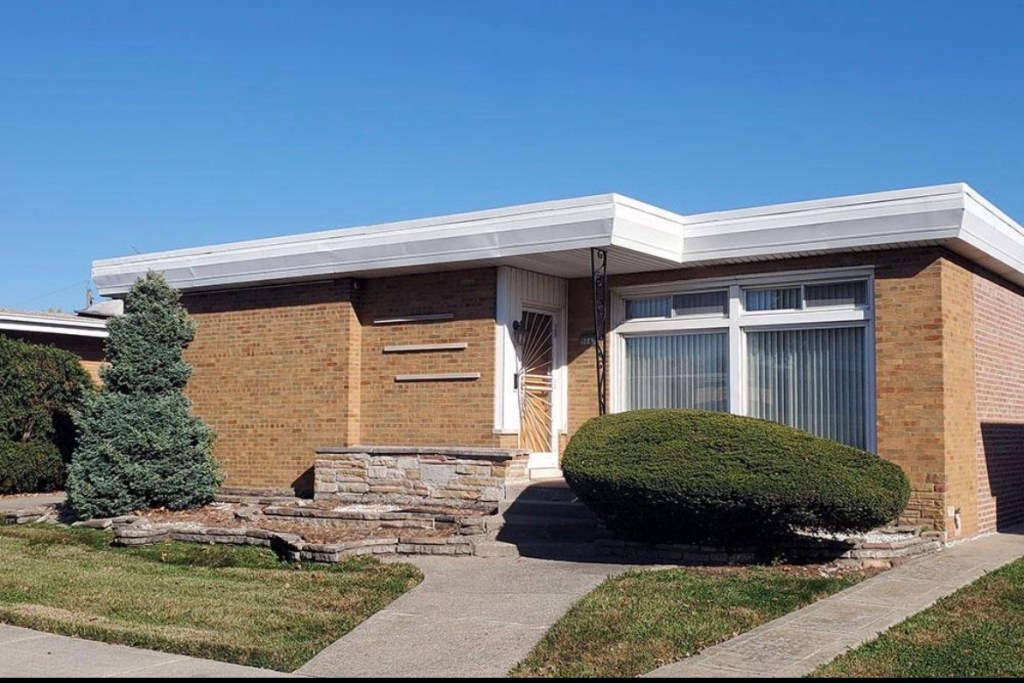
Pill Hill contains some absolutely stunning homes — ranch houses, Georgian styles, split-levels, and elegant custom-built properties that reflect the optimism of postwar Black upward mobility. These weren’t just houses. They were declarations. Proof that Black families could survive segregation and still create beauty, stability, and legacy.
Of course, like many Chicago neighborhoods, Pill Hill has changed over time. Some families moved away. Economic shifts happened. Generations passed on. But the neighborhood still carries an unmistakable sense of pride and history.
That’s the thing about Chicago neighborhoods. They remember.
The streets remember who fought to live there.
The houses remember who sacrificed for them.
The blocks remember the sound of children playing double dutch under summer streetlights.
The city remembers even when America forgets.
And Pill Hill deserves to be remembered as part of the rich, layered, complicated story of Black Chicago — not as a footnote, but as evidence of what Black people built in the face of everything designed to stop them.


Leave a Reply