Chicago has always had a talent for reinventing itself.
Sometimes it builds a skyscraper.
Sometimes it tears down a brothel.
And sometimes it tears down a brothel…and builds public housing on top of it.
You really can’t make this stuff up.
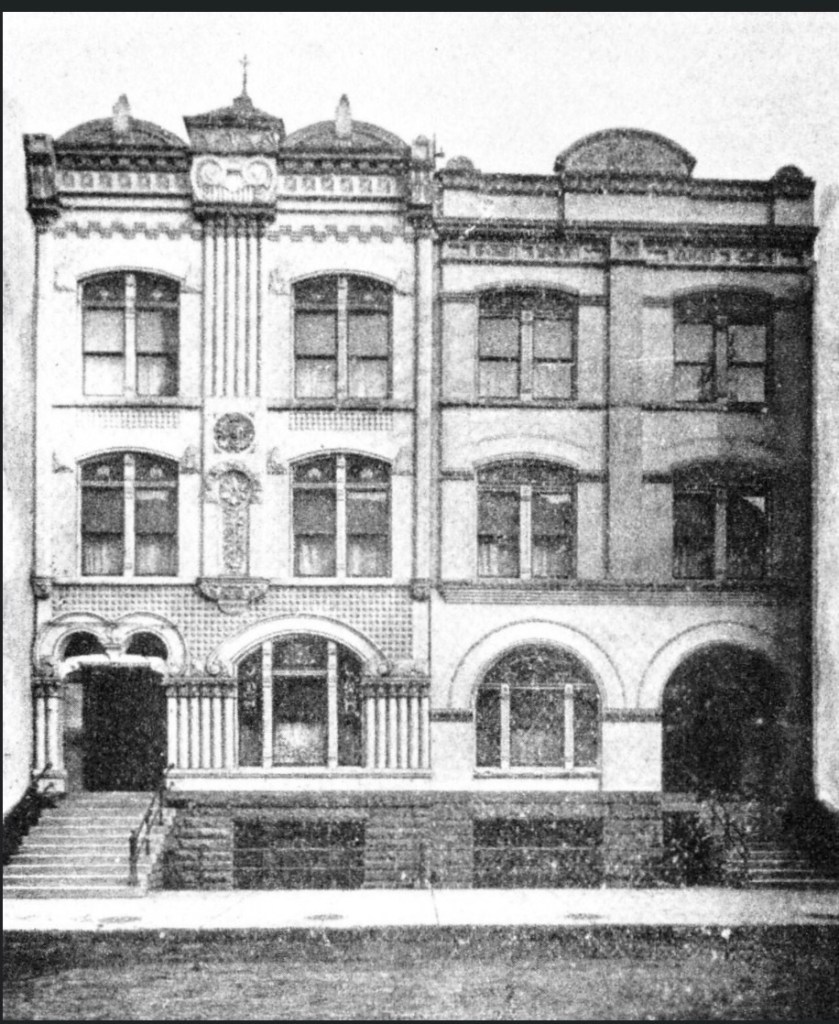
If you had wandered into Chicago’s Levee District around 1900, you would have found the legendary Everleigh Club located at 2131–2133 South Dearborn Street, arguably the most luxurious brothel in America. This wasn’t some dimly lit establishment with questionable décor and sticky floors.
Oh no.
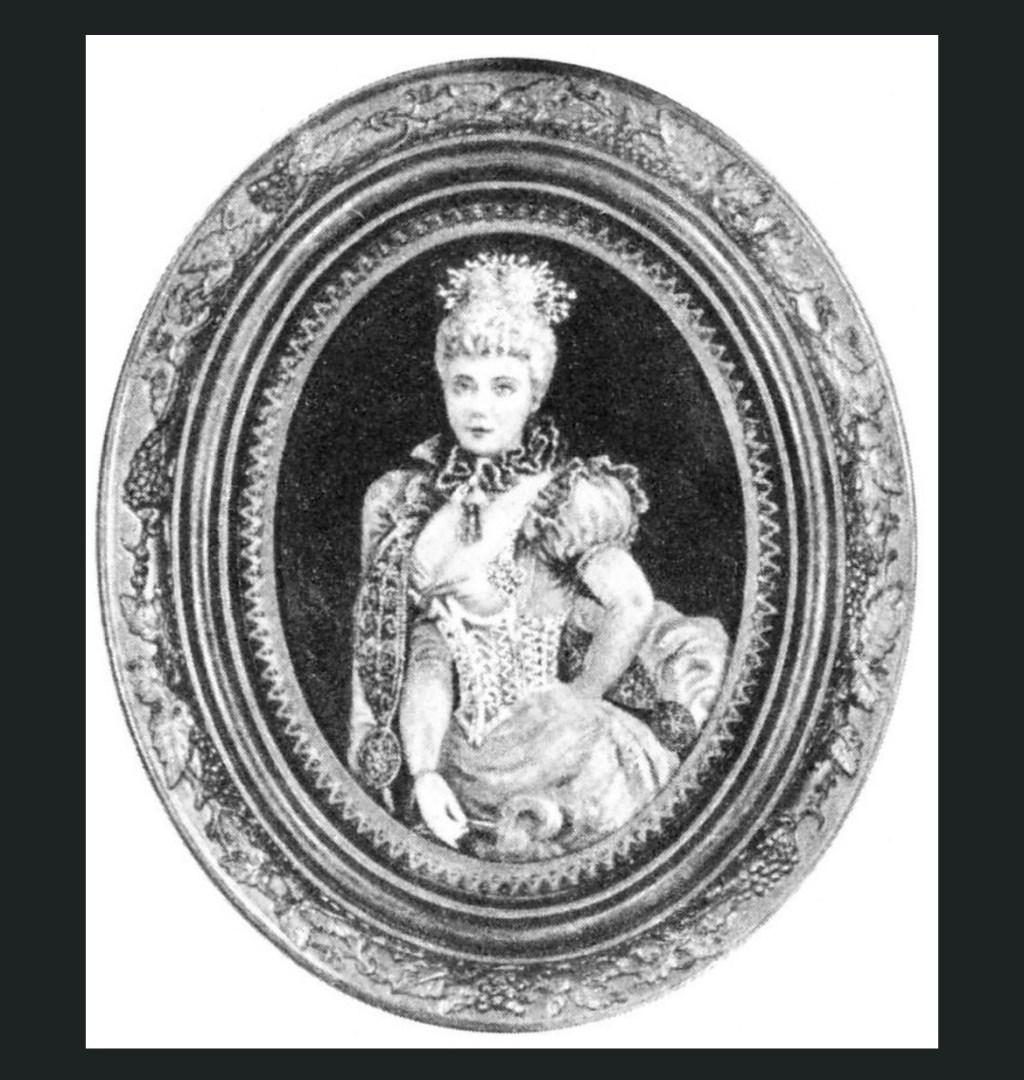
The Everleigh sisters, Ada and Minna, had standards.
Marble staircases. Crystal chandeliers. Imported furniture. Fine art. Live music. Gourmet food. French champagne. Beautifully decorated themed rooms.
It was less “house of ill repute” and more “five-star hotel where everyone conveniently forgot why they were there.”
The clientele?
Let’s just say the guest list probably read like the program for a Chamber of Commerce banquet.
Politicians.
Judges.
Industrialists.
Millionaires.
Foreign dignitaries.
Businessmen.
In other words, many of the very same men who publicly preached about virtue while privately keeping the Everleigh sisters in business.
Apparently, “family values” had evening office hours.
One of my favorite ironies is that the Everleigh sisters reportedly had rules.
No drunken fools.
No violent men.
No disrespect toward the women.
Imagine that.
A brothel with a code of conduct.
Meanwhile, some perfectly “respectable” institutions couldn’t manage the same thing.
The women who worked there weren’t the caricatures Hollywood likes to portray. Many were educated, well-dressed, musically talented, multilingual, and earning far more money than women scrubbing floors or sewing garments for pennies ever could.
History is rarely as simple as the moralizers would have us believe.
Eventually, Chicago’s reform movement decided the Levee District had to go.
Newspapers clutched their pearls.
Preachers thundered from the pulpit.
Politicians declared they were cleaning up the city.
It’s almost adorable.
As if wealthy men had collectively announced, “Well, gentlemen, I suppose prostitution is closed forever. Shall we all go home to our wives?”
Human nature doesn’t retire because a building closes.
It just finds another address.
The Everleigh Club shut its doors in 1911.
The building itself stood for another couple of decades before it was finally demolished in 1933.
And then comes my favorite chapter in this wonderfully weird Chicago story.
The land where America’s most famous luxury brothel once stood was eventually redeveloped into two Chicago Housing Authority (Harold L. Ickes Homes & Hilliard Homes) public housing complexes.
Think about that for a second.
The same ground that once echoed with piano music, clinking champagne glasses, and whispered promises became home to working families trying to make ends meet during a very different era of Chicago history.
Only in Chicago could one address go from hosting senators sneaking in through the front door to children playing hopscotch outside apartment buildings.
Cities have memories, even when the buildings are gone.
The Everleigh Club no longer exists. The velvet curtains, crystal chandeliers, and secret rendezvous have long since disappeared.
But the story remains because it reminds us of something timeless.
People love pretending that morality is about buildings.
It isn’t.
It’s about people.
You can bulldoze the mansion.
You can close the brothel.
You can rewrite the zoning map.
But hypocrisy?
That stubborn old tenant always seems to find a new place to live.
And if the walls beneath that CHA housing complex could talk…
Chicago history would suddenly become a whole lot more entertaining.
“If it weren’t for married men, we couldn’t have carried on at all…” – Minna Everleigh


Leave a Reply