
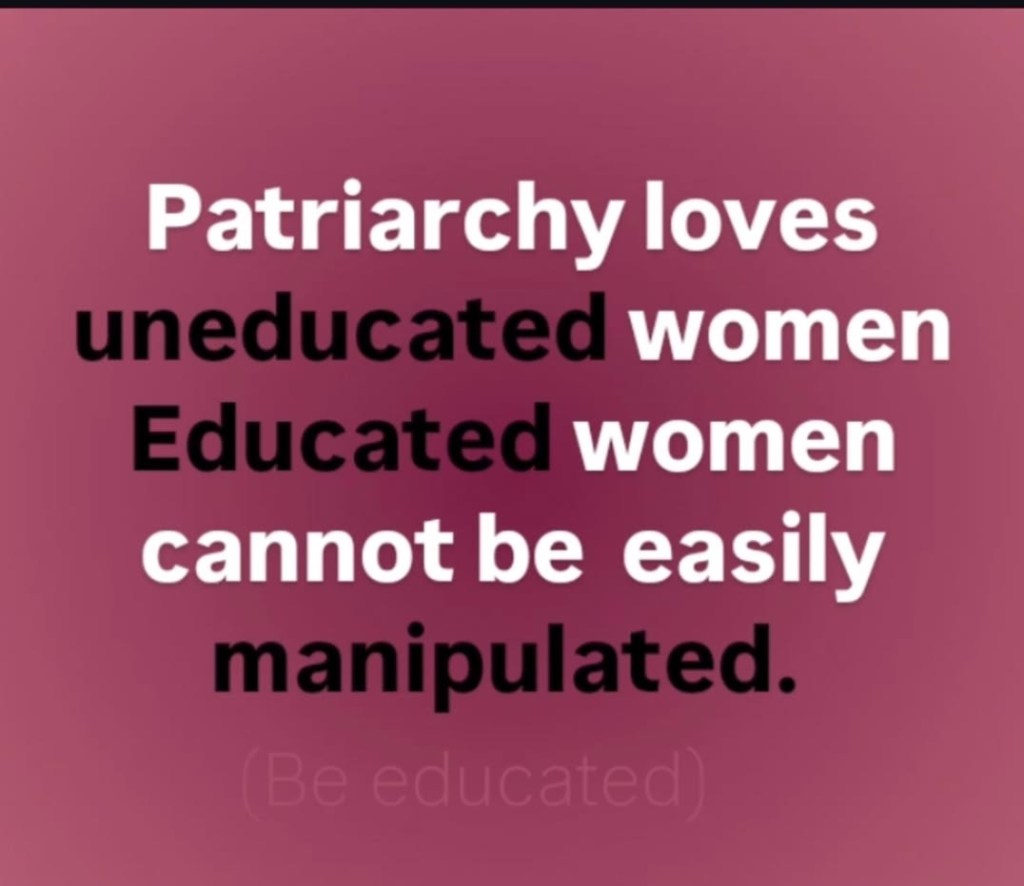
Patriarchy did not fall out of the sky one random Tuesday afternoon like bad weather. Human beings created it. Layer by layer. Rule by rule. Fear by fear. Property deed by property deed.
And once you really start studying history, you realize patriarchy is not simply “men being in charge.” It is an entire social architecture built over thousands of years to control inheritance, labor, sexuality, reproduction, and power. Women’s bodies became territory. Marriage became economics. Motherhood became duty. And somewhere along the line, people started pretending this arrangement was “natural” instead of historical.
That’s the trick patriarchy pulls better than anything else. It disguises itself as inevitability.
But human society did not always look the way it does now.
Many early hunter-gatherer societies appear to have been more cooperative and balanced than later agricultural civilizations. That does not mean women ruled the earth in some magical feminist paradise with flower crowns and universal sisterhood. Human beings have always been complicated. But evidence suggests women in many early societies had more mobility, more communal influence, and greater economic importance than they would later lose under rigid patriarchal systems.
Then agriculture entered the chat. And humanity said, “You know what this needs? Ownership.”
Once land, crops, livestock, and wealth could be accumulated and passed down through bloodlines, controlling women suddenly became politically useful. Men wanted certainty over inheritance. They wanted to know whose children were theirs. Women’s sexuality became tightly monitored because property and lineage became sacred.
And just like that, patriarchy tightened its grip.
The ancient civilizations of Mesopotamia, Ancient Greece, and Ancient Rome built legal systems where women were often treated as dependents under male authority. Fathers controlled daughters. Husbands controlled wives. Women could be exchanged in marriage alliances like diplomatic currency wrapped in ceremony.
Religion often reinforced these systems too. Entire moral frameworks developed around female obedience, purity, silence, modesty, and sacrifice. Men became associated with reason, authority, leadership, and divinity. Women became temptation, temptation’s punishment, or unpaid labor with breasts and a heartbeat.
And before somebody gets defensive, yes, men also suffered under patriarchy. Patriarchal systems demand emotional suppression, violence, dominance, conquest, and impossible expectations from men too. But let’s not play games here: women historically carried the heaviest burdens under these systems, especially poor women.
And Black women? Whew.
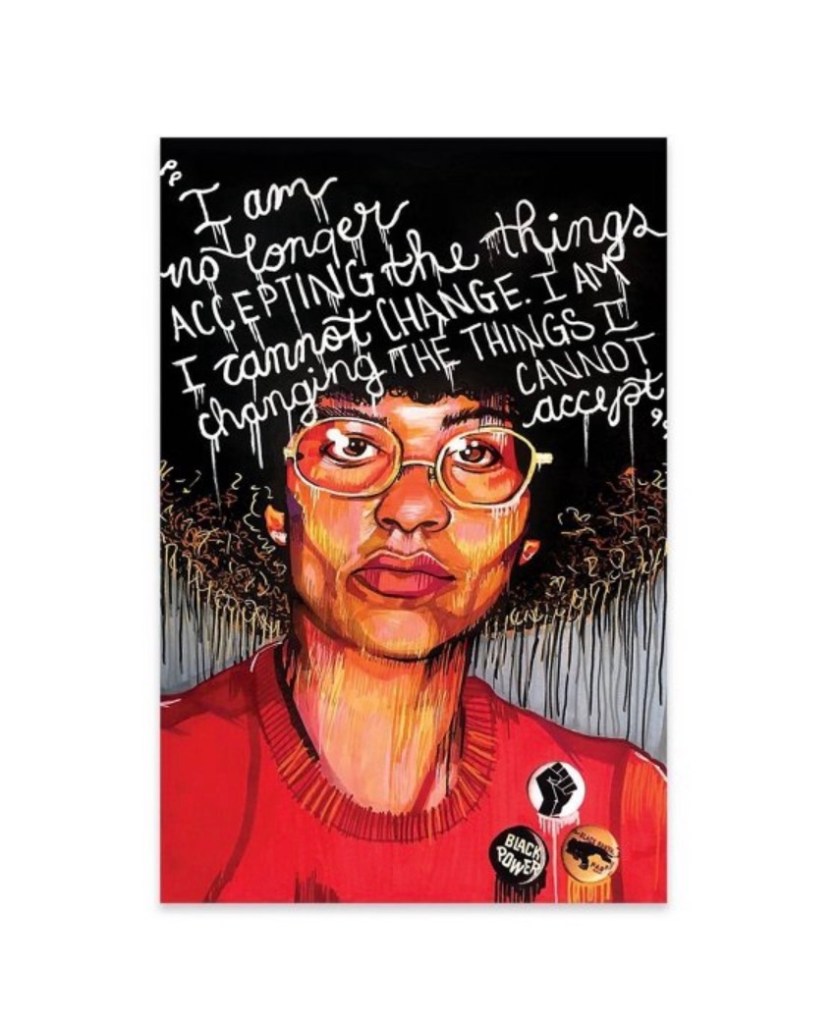
Black women experienced patriarchy tangled together with racism, slavery, colonialism, and economic exploitation. During slavery in America, Black women were denied even the limited “protections” white womanhood supposedly offered. Their labor was exploited like men’s labor while their bodies were simultaneously sexualized, violated, and commodified. They were expected to nurture everybody while barely being allowed ownership over their own lives.
That history still echoes.
You can hear it every time society treats women’s exhaustion like a personality trait. Every time motherhood is romanticized but unsupported. Every time women are told to shrink themselves to preserve male comfort. Every time aging women become socially invisible while older men are called “distinguished.” Every time women are expected to absorb pain gracefully like emotional shock absorbers for civilization itself.
Patriarchy survives because it adapts.
It modernizes its language. It learns social media slang. It rebrands itself as “traditional values,” “high value,” “feminine energy,” or “natural order.” Same wolf. Different outfit.
And yet, despite all of this, women have always resisted.
Women have written books, organized movements, built communities, raised children through impossible conditions, educated themselves in secret, marched, protested, survived, escaped, reinvented themselves, and told the truth even when society punished them for opening their mouths.
That is also part of the story.
Patriarchy is ancient, yes. But so is resistance.
And honestly? That resistance may be one of the oldest human traditions of all.


Leave a Reply