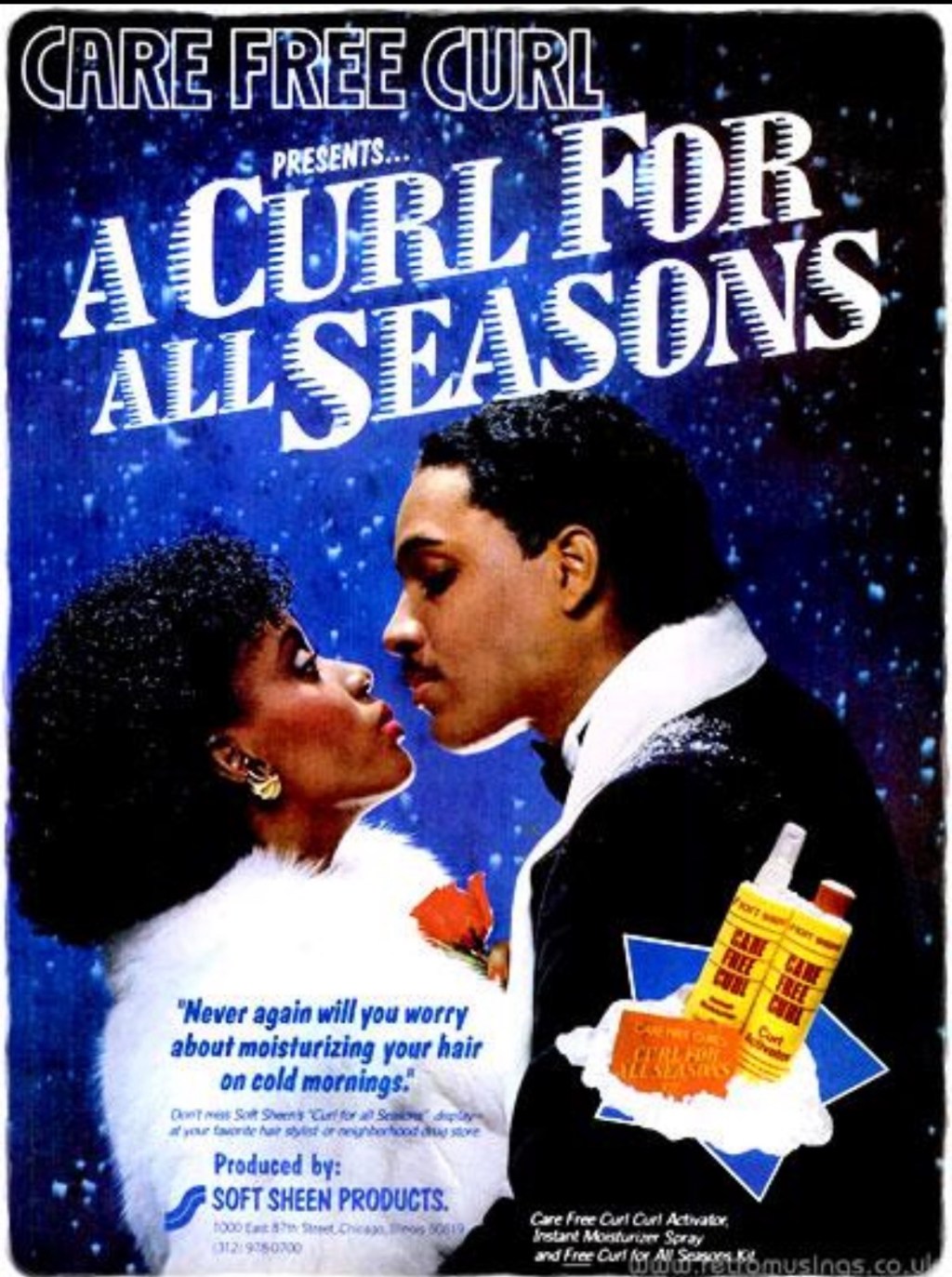
If you grew up in a Black household during the 1970s, 1980s, or 1990s, chances are Soft Sheen products lived somewhere in your home. Maybe it was a jar of Care Free Curl moisturizer sitting on the bathroom sink. A tub of Sportin’ Waves on your father’s dresser. A bottle of Let’s Jam keeping somebody’s ponytail slick enough to survive a Chicago windstorm.
Soft Sheen wasn’t just selling hair products.
It was selling possibility.
A Dream Born in a Chicago Basement
The story begins in 1964 on Chicago’s South Side.
Edward G. Gardner wasn’t a chemist. He was a Chicago Public Schools educator who sold beauty products on the side to earn extra money for his growing family. After noticing that very few companies were creating products specifically designed for Black hair, Gardner believed he could do better.
So he and his wife, Bettiann Gardner, turned the basement of their home into a laboratory.
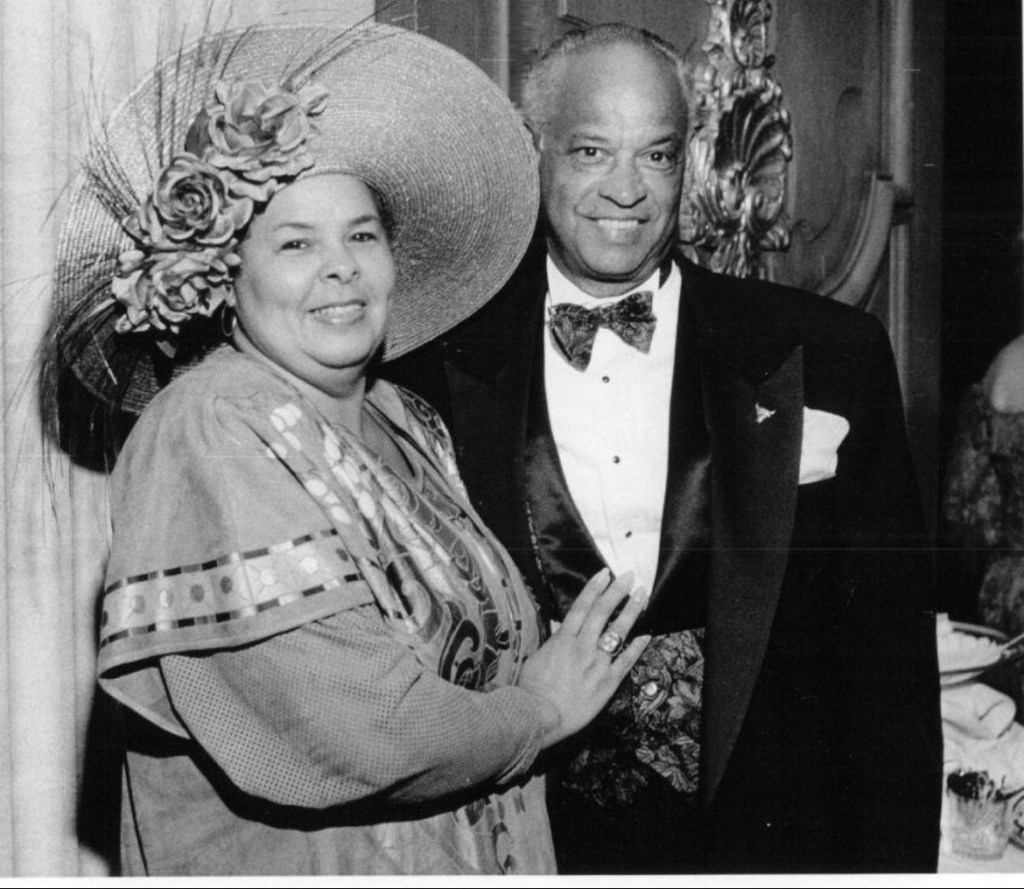
They mixed formulas in pots and pans, tested products on their children, and slowly built a business one beauty salon at a time. It was a true family enterprise, with everyone pitching in—from screwing lids onto jars to helping package products. (Chicago Defender)
Like so many legendary Black businesses, Soft Sheen wasn’t born from privilege.
It was born from necessity.
They Understood Black Hair Because They Understood Black People
For generations, mainstream beauty companies largely ignored African Americans. Most products were created for straight European hair textures, leaving Black consumers to improvise with products never designed for them.
Edward and Bettiann Gardner recognized something revolutionary:
Black hair wasn’t a problem to solve.
It was a market worthy of respect, innovation, and scientific research.
That simple idea helped transform the beauty industry forever. (Encyclopedia)
The Products That Became Cultural Icons
By the late 1970s and 1980s, Soft Sheen exploded.
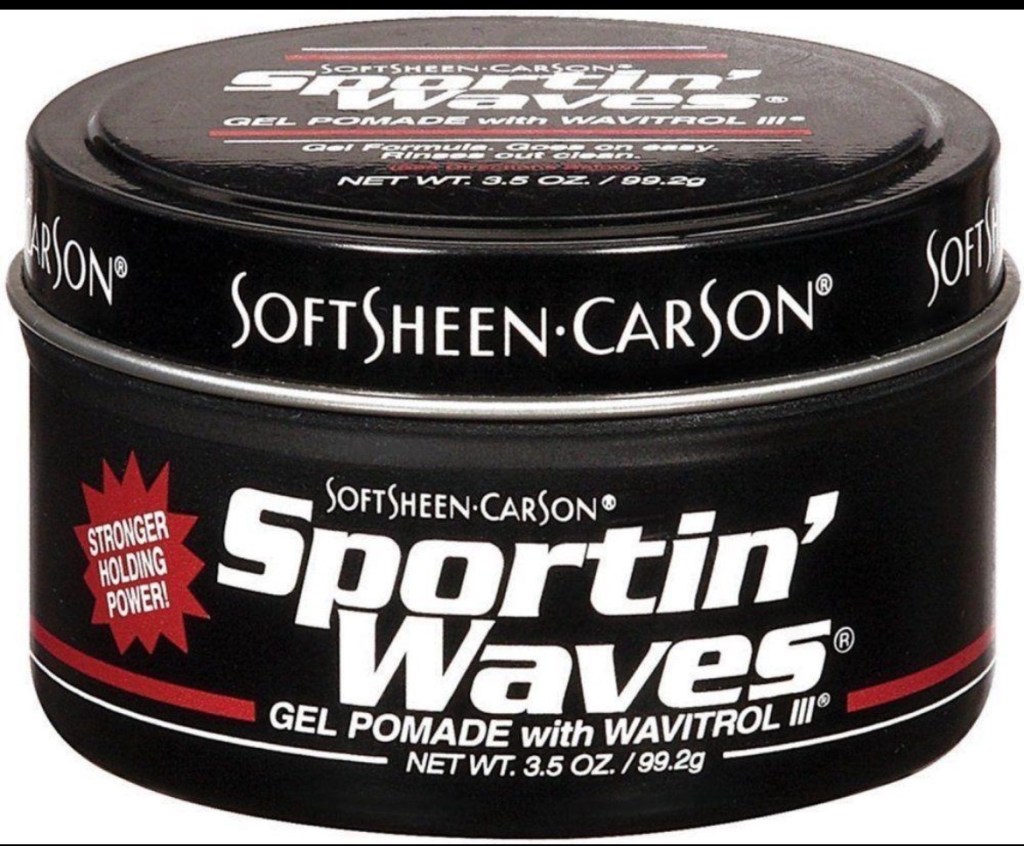
Care Free Curl changed the game by dramatically reducing the time required for curl and relaxer treatments. Wave Nouveau became synonymous with the signature curls worn throughout the decade. Let’s Jam became a staple for ponytails, braids, and slicked-back styles. Sportin’ Waves found its place in countless Black barbershops and bathrooms.
These weren’t just products.
They became part of the soundtrack of Black life.
Every family reunion had somebody carrying a jar.
Every beauty salon stocked them.
Every neighborhood beauty supply store knew exactly where they sat on the shelf.
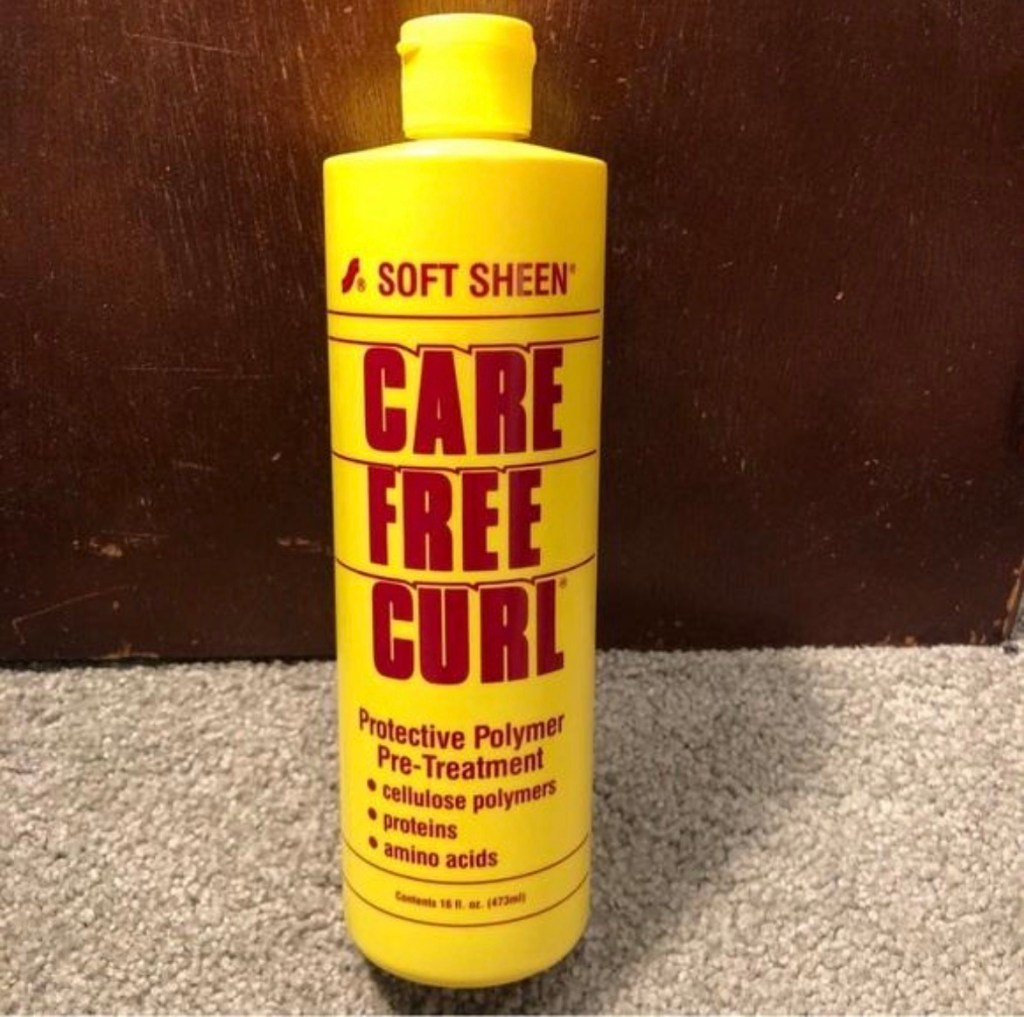
They became part of our collective memory.
More Than a Business
By the late 1980s, Soft Sheen had become the largest Black-owned beauty products company in America, employing hundreds of people and generating tens of millions of dollars in annual sales. (Chicago Defender)
But Edward Gardner never believed success ended with profits.
His company created jobs in Chicago’s Black community.
He invested in neighborhood development.
He supported Black arts and helped revive the historic Regal Theater.
He was instrumental in voter registration efforts that contributed to the election of Harold Washington, Chicago’s first Black mayor.
He also helped establish Black on Black Love, an organization dedicated to reducing violence while promoting community responsibility.
For Gardner, success meant lifting as many people as possible while climbing. (Chicago Defender)
A Different Kind of Black Wealth
Too often, conversations about Black history stop with athletes, entertainers, or civil rights leaders.
But Black entrepreneurs deserve equal recognition.
Edward and Bettiann Gardner built generational wealth through manufacturing.
They owned factories.
They created careers.
They developed products exported around the world.
Their success demonstrated that Black-owned businesses could compete globally while remaining deeply rooted in the communities that helped build them. (The HistoryMakers)
The Legacy Lives On
In 1998, Soft Sheen was acquired by L’Oréal, eventually becoming SoftSheen-Carson, allowing many of its iconic brands to continue reaching consumers around the world. (SoftSheen-Carson)
Some people saw the sale as the end of an era.
I see it a little differently.
The true legacy wasn’t simply the company.
It was the blueprint.
Edward and Bettiann Gardner proved that a Black family with a good idea, relentless determination, and a basement full of hope could build an international business without waiting for permission.
That’s the part of the story every generation should remember.
Because Soft Sheen wasn’t just about making our hair look good.
It was about proving that Black innovation, Black entrepreneurship, and Black excellence could grow from something as ordinary as a kitchen recipe into something extraordinary enough to change an entire industry.
Sometimes history doesn’t begin in a boardroom.
Sometimes it begins in a basement on Chicago’s South Side.
“Before mainstream companies recognized the beauty of Black hair, Black entrepreneurs were already investing in it. Soft Sheen didn’t just help style a generation—it proved that Black innovation could build an empire from a Chicago basement.”


Leave a Reply